
Writer: Eric Bank


Editor: Lillian Guevara-Castro


Reviewer: Ashley Fricker

Key Takeaways
A prepaid card can give you spending flexibility and ATM access. I recommend starting with these options if that’s what you’re in the market for:
-
GO2bank™: Best for earning cash back on select purchases.
-
Current Visa Debit: Best for accessing a paycheck advance.
The search for the best prepaid cards with ATM access involves finding cards that won’t bleed you dry. While ATMs are undoubtedly efficient, they can also be costly to use.
This review highlights prepaid debit cards usable at ATMs, focusing on those that waive ATM fees. You can pick one without much hassle, as switching to another is easy and free from negative consequences. Wouldn’t it be great if all life’s choices were that simple?
-
Navigate This Article:
Best Prepaid Cards With ATM Access
The fees that prepaid cards charge can help determine which card you should use. Cards in the Netspend universe charge similar amounts, but you can choose among others that may cost less or provide more convenience.
Customary ATM fees for prepaid cards include:
- ATM domestic withdrawals: $2.50 to $3.00
- ATM domestic inquiries: $0.50
- ATM foreign transactions: $0, but a general fee for foreign transactions applies, typically 4%
- Declined ATM transactions: $1
The following prepaid cards deliver the services you expect, including access to ATMs, without demanding a good credit score or a U.S. bank account.

- Overdraft protection up to $300 with opt-in and eligible direct deposit*
- No monthly fees with eligible direct deposit, otherwise $5 per month
- Earn up to 7% cash back when you buy eGift Cards in the app
- Get your pay up to 2 days early – Get your government benefits up to 4 days early.*
- High-yield savings account, 4.50% APY paid quarterly on savings up to $5,000.*
*Terms and conditions apply. GO2bank™ cards are issued by Green Dot Bank, Member FDIC, pursuant to a license from Visa U.S.A., Inc. Visa is a registered trademark of Visa International Service Association. Overdraft fees may apply. Click Apply Now to learn more.
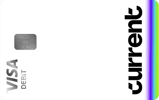
- Earn points on swipes: Earn up to 7x the points on card swipes at over 14,000 participating merchants, then redeem them for cash back in your account.*
- Get paid up to 2 days faster with direct deposit*
- If you qualify, you can access up to $1,000 before payday with a paycheck advance
- Qualifying direct deposits receive fee-free overdrafts*
- No minimum balance fees, no overdraft fees, no bank transfer fees
- Access to more than 40,000 fee-free ATMs*
- *View product disclosures here.
- Waive your monthly fee when you direct deposit $500+ in previous monthly period. Otherwise, $5.94 a month.*
- Earn 3% cash back at Walmart.com, 2% cash back at Walmart fuel stations, & 1% cash back at Walmart stores, up to $75 each year.*
- Earn 2% interest rate on up to $1,000 balance in your savings account. Plus, get chances to win cash prizes each month!*
- Get peace of mind with three coverage levels, up to $300, for purchase transactions with opt-in & eligible direct deposit.*
*Please see site for full terms and conditions.
Additional Disclosure: Walmart MoneyCard® is a debit card offer.
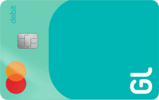
- Greenlight is a debit card for kids, managed by parents
- Parents set flexible controls and receive real-time alerts while kids monitor their balances, set goals, and learn how to manage money
- Feel secure knowing Greenlight blocks unsafe spending categories
- Receive Mastercard’s Zero Liability Protection
- Upload a photo of your choice to create a unique custom card
- Debit cards are FDIC-insured up to $250,000
- Easily turn your Greenlight card on or off and receive real-time spending notifications
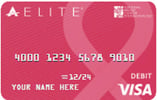
- Manage and control your money on one convenient reloadable prepaid card
- Get paid up to 2 days faster with direct deposit
- No-fee cash withdrawals of up to $100 at ACE with qualifying Direct Deposit
- Earn Payback Rewards on qualifying purchases
- Choose from 3 card designs
- As a cardholder, you can open a Tiered Optional Savings Account. Balances up to $1,000.00 currently earn up to 5.00% annual percentage yield. No minimum balance required.
What Are Prepaid Cards With ATM Access?
Prepaid cards are debit cards that use funds that are loaded onto the card’s account rather than to a bank account. Virtually all prepaid cards provide ATM access, consisting of withdrawal and balance inquiry transactions.
The amount you can withdraw from an ATM depends on your account balance and the card’s across-the-board limits. For example, the Bluebird® American Express® Prepaid Debit Account caps daily withdrawals at $2,500.
Conversely, The Mango Prepaid Mastercard® limits ATM withdrawals to $500 per day. The NetSpend® Visa® Prepaid Card permits you to withdraw $325 at a time or $940 per day in up to six withdrawals per 24 hours.
Most prepaid cards charge a flat fee for domestic ATM withdrawals. However, some differentiate in-network ATMs, which do not charge for transactions, from other machines that carry standard charges. For example, the PayPal Prepaid Mastercard® doesn’t charge a fee when you withdraw money from a MoneyPass ATM.
Another way to access your card account without a fee is to request cash back when you use the card to make a purchase at a supermarket, grocery store, or other participating retailers. With this method, the clerk on the checkout line adds the cash back amount to the bill and provides you the excess in cash.
Most prepaid cards will charge you a small fee—usually between $0.50 and $1.00—when you check your balance at an ATM. To avoid this charge, you can use the card’s mobile app to view your current balance instead.
How Do Prepaid Cards Work?
Prepaid cards permit you to purchase items without resorting to cash or checks. The card works like a U.S. bank debit card, except the money comes from your deposits to the card’s account, not your bank account.
When you want to make an in-store purchase, you swipe, insert, or tap your reloadable prepaid card on a terminal and choose a “debit” or “credit” transaction.
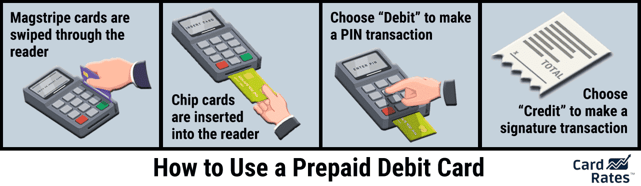
Don’t be misled by the “credit” choice — it does not refer to a prepaid credit card. There is no such thing as a prepaid credit card, although a secured credit card may sometimes receive this label because you must post collateral to a secured credit card account before you can use it.
In this case, “credit” denotes a transaction in which the clerk or the system supposedly checks your signature. It is less secure than a debit transaction that verifies transactions using a secret PIN that you must enter into the terminal.
You put an initial amount of cash onto a reloadable prepaid card when you buy it. After that, you can add money to the prepaid debit account in several ways (with or without a reload fee), including in person at reloading locations, through direct deposits, via transfers from other sources, and with mobile check deposits (provided by Ingo Money). The latter requires you to scan a check on your mobile phone and transmit it to your prepaid debit account using an app.
You don’t need credit to get a prepaid card, nor do you need a bank account. If you try to spend more than your available card balance, the card will reject the transaction, although two exceptions exist:
- Overdraft protection: Some prepaid cards will sell you overdraft protection that allows you to spend more than your balance. You then must repay the excess amount quickly.
- Purchase cushion: A few cards offer a courtesy purchase cushion that allows you to overspend your card balance by up to $10. There are no fees for this feature, but you must repay the excess amount right away.
Prepaid cards charge an initial purchase fee when you buy the card at a retail location. However, cards waive this fee when you purchase the card online.
You will also pay a plan fee to use the card. A monthly plan charges a flat amount, typically between $5 and $10. Alternatively, you can choose a pay-as-you-go plan that usually charges $1.50 per purchase transaction.
If you examine the cardmember agreement, you’ll see a card’s complete fee schedule. The information is available online to review before you purchase the card. Most prepaid debit cards have dozens of fees, making a solid case for comparison shopping before purchase.
How Can I Get a Prepaid Card?
The simplest and cheapest way to get a prepaid card is online. You fill out a short form with basic information and indicate how you plan to fund the initial amount. The issuer will then ship the card to you. Upon receipt, you must register or activate the card to unlock most of its functions.
You can also purchase a reloadable card at designated retail locations. These are usually the same places where you can do a cash reload (and pay the reload fee). For example, the Netspend Reload Network consists of more than 130,000 locations, including convenience stores, gas stations, grocery stores, and check cashers throughout the nation.
When you reload cash in person, expect to pay about $4.00 for the transaction. However, direct deposits are free, and if you need to use Ingo Money for mobile check loads, the cost can range from 0% to 5%, based on how quickly you want the transaction processed.
Can I Build Credit With a Prepaid Card?
Because prepaid cards do not use credit, you can’t use them to build credit. The issuer will not perform a credit check when you apply for a prepaid debit card, nor will it collect any information about bank accounts you may own.
This aspect of prepaid cards allows consumers with bad or limited credit to purchase goods and services without cash. While this outwardly resembles the way traditional credit card and bank debit cards work, the difference is in the source of funds:
- Credit card: You spend borrowed money from your card’s credit line. You must then repay the amount you owe by a specified date or pay interest on the outstanding balance. The major credit bureaus collect information about your credit activity and assign you a credit score to reflect your creditworthiness. Your access to additional credit and loans depends mainly on your credit score.
- Bank debit card: You first deposit money into your checking account at a bank or credit union with this card type. You can then use the card to make purchases up to your account balance.
- Prepaid reloadable debit card: The money you prepay resides in an account maintained by the card issuer. A reloadable card does not use funds from a bank account or credit from a credit card issuer. Note that a prepaid Mastercard® or Visa gift card are also debit cards but are not reloadable. For example, you can’t go to a bank and add money to a Visa gift card.
All three types of cards let you withdraw money from an ATM. What varies is the money’s source. Credit cards offer cash advance loans, whereas debit cards give you access to your own money.
Compare the Best Prepaid Cards With ATM Access
The prepaid cards reviewed in this article work similarly; All allow you to check balances and withdraw cash from an ATM. In addition, all of them place daily limits on the amount you can receive.
Prepaid debit cards vary in the fees they charge. When comparing prepaid cards, take the time to review the cardholder agreement before choosing a card. If you understand how a card assesses charges, you’ll know which options will save you the most money.
Editorial Note: Our site content is not provided or commissioned by any credit card issuer(s). Opinions expressed on CardRates.com are the author's alone, not those of any credit card issuer, and have not been reviewed, approved, or otherwise endorsed by credit card issuers. Every reasonable effort has been made to maintain accurate information; however, all credit card offer details, including information about rewards, signup bonuses, introductory offers, and other terms and conditions, is presented without warranty. Clicking on any offer on CardRates.com will direct you to the issuer's website, where you can review the current terms and conditions of the offer.
About the Author