

Writer: Choncé Maddox


Editor: Jon McDonald


Reviewer: Ashley Fricker

Key Takeaways
-
The most common fees associated with debit cards are monthly maintenance fees, ATM fees, and overdraft fees.
-
Some debit cards have specific requirements you must meet to avoid paying fees.
-
Debit cards and prepaid cards have many similarities, but debit cards are linked to a bank account.
Debit cards are an essential part of modern-day banking and a convenient option to make purchases. Unfortunately, some banks and debit card issuers charge fees, including checking account monthly maintenance fees, ATM fees, and overdraft fees.
It’s easy for these costs to pile up, but you can sidestep them by opting for a no-fee debit card. Here, we explore the top no-fee debit cards available, even if your credit isn’t perfect or you’re seeking a banking alternative.
-
Navigate This Article:
Best Debit Cards With No Monthly or ATM Fees
The following debit cards don’t have any monthly or ATM fees, but it’s important to understand how each card works. Some cards have specific terms and requirements to waive fees, and these cards can help you avoid unnecessary charges and keep more of your hard-earned money.
This card is currently not available.
Additional Disclosure: The Chime content on this page is outdated, has not been updated since April 2026, and is no longer endorsed or supported by Chime.
The Chime® Account is a leading debit card in the space due to its affordability and robust features. The card charges $0 monthly fees, $0 overdraft fees, and no opening deposit.
You can enjoy 24/7 live support from a real person, so no more dealing with AI chatbots to get your answers. Manage your account entirely through your smartphone, and you also have the option to open a savings account to help grow your funds.
This card is currently not available.
The NetSpend® Visa® Prepaid Card is easy to use and reload and requires no credit check, minimum balance, or activation fee. You also receive access to more than 130,000 cash reload locations, and you can earn cash back and personalized offers on certain purchases.
This card includes some fees that depend on how you use it. The Pay as You Go plan skips the monthly fee but charges for each transaction, ATM use, and cash reloads. Conversely, the Monthly Plan has a fee but no transaction charges. You can reduce the monthly fee by receiving at least $500 through direct deposit each month.
This prepaid card won’t hit you with overdraft fees, but be aware of an inactivity fee if you don’t make any transactions for over 90 days.

- Overdraft protection up to $300 with opt-in and eligible direct deposit*
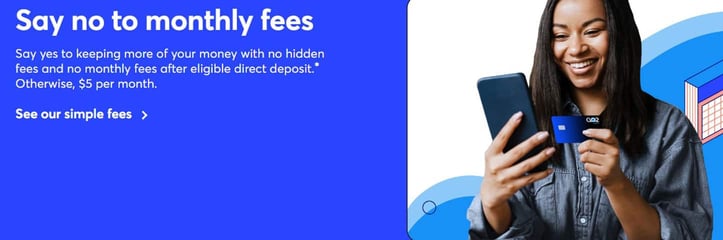
- No monthly fees with eligible direct deposit, otherwise $5 per month
- Earn up to 7% cash back when you buy eGift Cards in the app
- Get your pay up to 2 days early – Get your government benefits up to 4 days early.*
- High-yield savings account, 4.50% APY paid quarterly on savings up to $5,000.*
*Terms and conditions apply. GO2bank™ cards are issued by Green Dot Bank, Member FDIC, pursuant to a license from Visa U.S.A., Inc. Visa is a registered trademark of Visa International Service Association. Overdraft fees may apply. Click Apply Now to learn more.
If you’re looking for a debit card that’s also a bank account, consider Go2Bank™. GO2bank™ has no overdraft fee and allows you to receive your paycheck up to two days early. The card also has fee-free withdrawals from in-network ATMs. It charges a small monthly fee but waives it if you set up direct deposit.
This card could be a great choice for both a bank account and a savings account, and setting up direct deposit helps you dodge fees easily. Go2Bank™ provides a high-yield savings account that beats the national savings average. However, GO2bank™ does come with some fees worth noting.
Those include an out-of-network ATM fee and a fee for depositing cash at a retail partner location. It also has a teller cash withdrawal charge, a foreign transaction fee, and a card replacement fee.
This card is currently not available.
Bluebird® American Express® Prepaid Debit Account is a prepaid debit card that has no monthly fees and free early direct deposit. You also have access to the Bluebird Mobile app to help keep track of your account activity. Members can customize mobile device notifications to show available balance and balance alerts.
An additional benefit to this card is the free customer access to MoneyPass ATMs. The card is available to most US residents who are at least 18 years old with some states requiring cardholders to be 19 years old. This prepaid card from American Express also allows you to load cash at any Family Dollar in the US. Just tell the cashier how much you would like to add, pay it, and it makes the funds available immediately.
- Waive your monthly fee when you direct deposit $500+ in previous monthly period. Otherwise, $5.94 a month.*
- Earn 3% cash back at Walmart.com, 2% cash back at Walmart fuel stations, & 1% cash back at Walmart stores, up to $75 each year.*
- Earn 2% interest rate on up to $1,000 balance in your savings account. Plus, get chances to win cash prizes each month!*
- Get peace of mind with three coverage levels, up to $300, for purchase transactions with opt-in & eligible direct deposit.*
*Please see site for full terms and conditions.
Additional Disclosure: Walmart MoneyCard® is a debit card offer.
Walmart’s debit card is issued by Green Dot Bank, member FDIC. The Walmart MoneyCard® offers overdraft protection of up to $200 when you opt in and set up direct deposit. It has no minimum account balance requirement or monthly fee if you receive direct deposits of at least $500 each month. And you can add cash to your card at any of the 90,000 network retail stores, including Walmart Money Centers.
Another card benefit is that you can earn cash back on purchases at Walmart.com, Walmart fuel stations, or in Walmart stores. This card is a great option for loyal Walmart shoppers as well as families because you can add up to four additional approved family members ages 13 and up. Family accounts have no additional fees.

- Earn points on swipes: Earn up to 7x the points on card swipes at over 14,000 participating merchants, then redeem them for cash back in your account.*
- Get paid up to 2 days faster with direct deposit*
- If you qualify, you can access up to $750 before payday with a paycheck advance
- Qualifying direct deposits receive fee-free overdrafts*
- No minimum balance fees, no overdraft fees, no bank transfer fees
- Access to more than 40,000 fee-free ATMs*
- *View product disclosures here.
The Current Account offers a convenient banking solution for those looking to avoid hidden fees. The account allows you to make free ATM withdrawals, earn cash back rewards for debit card purchases, and even overdraft with no fees or interest as long as you receive $500 in direct deposits per month.
The card has no minimum balance fees, bank transfer fees, or annual fees.
Current Visa Debit cardholders have access to fee-free Allpoint ATMs, and the account provides spending insights to help you budget and manage your money. Cardholders can also get paid up to two days early if they set up direct deposit. The card does charge an out-of-network ATM fee and foreign transaction fees.
Pros and Cons of Using Debit Cards for Purchases
Life is full of ups and downs, and that’s definitely true with financial products. Here’s what you should consider before opening a prepaid debit card account:
Pros
- Avoids debt – no risk of racking up credit card debt
- No interest fees – debit cards don’t charge interest on purchases
- Easy budgeting – helps with money management since you can only spend what you have
- Widely accepted – can be used almost anywhere, just like a credit card
- Safer than cash – if your card is lost or stolen you can report it and potentially recover your money
Cons
- No credit building – using a debit card doesn’t help improve your credit
- Fewer rewards – most debit cards don’t offer cash back or other rewards like credit cards
- Limited protection – debit cards typically have weaker fraud protection than credit cards
- Fees – most debit cards charge fees, such as overdraft and monthly fees
How Do I Qualify For a No-Fee Debit Card?
While some banks may simply glance at your credit score, others perform thorough credit checks before you can open an account and obtain a no-fee debit card. Typically, they’re focused on confirming your identity and ensuring you meet residency requirements.
If you’re on the hunt for a no-fee prepaid card, it’s crucial to weigh various options. Some providers might offer no-fee debit cards but require you to maintain a minimum balance or carry out a certain number of transactions. Others may charge fees for adding cash, replacing the card, or making international purchases.
It’s important to consider your unique financial situation and how you intend to use your debit card. For example, a foreign transaction fee may not affect you if you don’t plan to use your card when traveling abroad. Or if you primarily rely on direct deposits or mobile check deposits, you may not mind a rare cash reload fee.
Setting up direct deposit is typically the simplest way to avoid monthly fees. Many banks also accept direct deposits from government benefits or other sources beyond just an employer’s paycheck.
Do All Debit Cards Have a Monthly Fee?
Not all debit cards have monthly fees. In fact, most banks offer fee-free debit cards to their customers. Some debit cards still charge foreign transaction fees or for ATM withdrawals outside of the bank’s network.
Other issuers may offer overdraft protection or out-of-network ATM fee reimbursement but have monthly maintenance fees or cash reload fees. It’s best to read the fine print before signing up for a debit card to understand the fees. One of the best no-fee debit cards is the Current Visa Debit.
It allows you to earn cash back and rewards on purchases and get paid earlier with direct deposit.
Is a Prepaid Card the Same as a Debit Card?
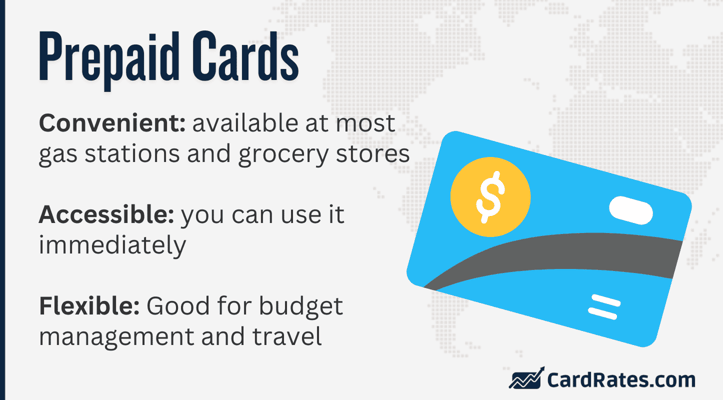
Prepaid cards and debit cards have many similarities, but they are not identical. A prepaid card is not linked to a bank account, while a debit card is tied to an account.
You can add money to a prepaid card and spend it until the balance is gone. In contrast, a debit card gives you direct access to the funds in your bank account, up to what’s available.
Neither prepaid nor debit cards let you spend more than you have. If you try to spend beyond your balance, the transaction will be declined, or you might incur an overdraft fee. Some card issuers do offer overdraft protection up to a certain limit.
Debit cards provide more flexibility. Plus, you might benefit from free services at your bank, like check cashing.
You can use both prepaid cards and debit cards at your favorite stores or restaurants, as some popular card issuers include Visa® and Mastercard®. Both cards are effective alternatives to cash.
According to the FDIC, at least 5.9 million households in the US are unbanked. Prepaid debit cards are a popular option among those people since they allow you to load money and make card purchases without opening a bank account.
Prepaid cards are similar to debit cards, allowing you to set up direct deposits and deposit checks at select ATMs. Plus, they offer peace of mind because prepaid debit cards include federal fraud and liability protections.
While both cards may be used to make purchases, debit cards are typically better for long-term use, and prepaid cards are ideal for short-term budgeting.
What is the Difference Between a Credit Card and a Debit Card?
One option is not better than the other, and both can be helpful in different ways. Choosing a credit card or debit card is a personal financial preference.
When you use a debit card, it’s connected to your bank account, so you’re limited to spending only what’s available. This helps you avoid debt and interest charges, but you might miss out on perks like cash back, points, or miles that credit cards offer.
A credit card enables you to borrow money to make purchases. Many credit cards offer benefits and rewards, but they can come with some downsides, including high interest rates, debt accumulation, and credit score damage.
If you’re using a credit card, keeping an eye on your spending is key to avoiding interest charges. Aim to use less than 30% of your total credit limit, as exceeding this can affect your credit score negatively.
- Credit Score: Debit cards don’t require a high or average credit score, but credit cards depend heavily on your credit history. Check your credit report before applying for a credit card to see what you qualify for.
- Safety and Rewards: Debit cards are safe to use, and some even offer rewards or cash back, including the NetSpend® Visa® Prepaid Card. Since debit cards pull funds directly from your bank account, you should closely monitor your account and actively manage your money.
- Fees: Credit cards give you more freedom, but overspending can put you in a bad financial situation if you aren’t careful. Even the best credit cards have fees; some even include an annual fee just for the privilege of having the card.
The best credit cards also require you to have good or excellent credit. Some ways to improve your credit over time include becoming an authorized user on someone else’s credit card, paying bills on time, paying off your other card balances, and aiming to keep your credit utilization ratio at less than 30%.
What Fees Might I Have to Pay?
Debit cards can have various fees, but here’s the good news: you can usually avoid most of them. Knowing which fees to watch for can help you make a smarter choice when picking your next debit card.
Here is a summary of the types of debit card fees you may encounter, how much they cost on average, and how to avoid them.
- Monthly maintenance fee: Banks charge customers a monthly fee to maintain an account with them. Most offer a few ways to avoid the fee, including setting up direct deposit or fulfilling the minimum balance requirement.
- Minimum balance fee: Some requirements are as low as $100. You can typically avoid this fee if you link direct deposits to your checking account. However, some debit cards don’t have minimum balance requirements if you want to avoid this altogether.
- ATM fee: The safest way to avoid this is to only use in-network ATMs. Bank mobile apps can quickly identify those locations. If you need to use out-of-network ATMs, some banks offer a refund of up to a certain amount per billing cycle.
- Overdraft fee: Overdraft fees vary by bank, but can cost as much as $35 per transaction. You can add overdraft protection to most checking accounts. So when you have a situation where your account is at risk of overdraft, your linked secondary account or line of credit can cover the transaction and spare you a fee.
- Nonsufficient funds fee: If you don’t have overdraft protection on your account and the funds aren’t available, the transaction will be declined, but you still may pay a fee for the failed attempt. Avoid this by activating balance notifications on your account or using a card with optional overdraft protection. Most banks offer text, email, or mobile app notifications when your balance is low.
- Inactivity fee: Some prepaid card issuers charge this fee if you don’t use your card in a certain number of days or weeks. With Netspend, you should use your card (make at least one transaction) every 90 days to avoid an inactivity fee. Also, consider setting up automatic bill pay on your card for a small expense, such as Netflix, or using your card for fuel fill-ups each month. Even if the payment is small, it will help you avoid the inactivity fee.
- Stop payment fee: In some cases, you can cancel a payment online or by calling the merchant. If it’s too late and the payment is already pending on your account, you can still stop it — for an additional cost. This is another fee that some banks refund as a courtesy.
- Check fee: Banks may offer free checks when you open an account. Some will even offer free checks for certain accounts or if you set up direct deposit.
- Card replacement fee: Replacing your debit card can be a hassle, especially when you have to pay another fee. To avoid this, ask the card issuer to waive the cost or choose a debit card that doesn’t charge the fee.
Understanding the fees associated with a debit card is crucial. This knowledge helps you figure out if the card aligns with your needs or if it’s better to explore other financial options first.
You can find a detailed list of these fees in the card’s terms and conditions before you activate it. And be sure to weigh any costs or fees against the overall perks (or rewards) the card offers. With so many competing issuers and financial institutions, you should find a debit card that has the right balance for your needs.
Avoid Unnecessary Debit Card Fees
A debit card is a handy, secure, and practical financial tool that can help you manage your budget and steer clear of debt. Consider selecting one of the top no-fee debit cards by comparing options from various banks and financial institutions. You can bypass most fees by setting up direct deposit and checking out the card options on this list.
When using prepaid cards, make sure to read the fine print to prevent hidden fees from sneaking up on you. While earning rewards with a debit card is a nice perk, it’s crucial to avoid fees for monthly maintenance, ATM withdrawals, and overdrafts.
Editorial Note: Our site content is not provided or commissioned by any credit card issuer(s). Opinions expressed on CardRates.com are the author's alone, not those of any credit card issuer, and have not been reviewed, approved, or otherwise endorsed by credit card issuers. Every reasonable effort has been made to maintain accurate information; however, all credit card offer details, including information about rewards, signup bonuses, introductory offers, and other terms and conditions, is presented without warranty. Clicking on any offer on CardRates.com will direct you to the issuer's website, where you can review the current terms and conditions of the offer.
About the Author