
Writer: Ashley Fricker


Editor: Lillian Guevara-Castro

Key Takeaways
Our picks below work with Cash App, with options for everyday banking, family spending, and transferring your Cash App balance.
-
GO2bank™: Best for Cash App users who want free cash deposits at Walgreens.
-
Current Visa Debit: Best for Cash App transfers with no monthly account fee.
Cash App is a peer-to-peer payment platform that gained a massive following because of its simplicity, versatility, and user-friendly interface. Developed by Square Inc., this P2P app makes it easy to send money to friends and family for free using their phone number, email address, or $Cashtag.
Most bank accounts, debit cards, and credit cards work on the app, but what about other options? Do prepaid cards work on Cash App? If not, what are the alternatives?
Let’s explore Cash App’s payment policy to review your options.
Some Prepaid and Debit Cards Work With Cash App
Some prepaid and debit cards can connect to Cash App, but compatibility depends on the card and how you want to use it. Certain cards let you fund payments, while others also support transfers from your Cash App balance back to the card account.
The options below have confirmed Cash App compatibility, with different fees and transfer restrictions to consider:

- Overdraft protection up to $300 with opt-in and eligible direct deposit*
- No monthly fees with eligible direct deposit, otherwise $5 per month
- Earn up to 7% cash back when you buy eGift Cards in the app
- Get your pay up to 2 days early - Get your government benefits up to 4 days early.*
- High-yield savings account, 4.50% APY paid quarterly on savings up to $5,000.*
*Terms and conditions apply. GO2bank™ cards are issued by Green Dot Bank, Member FDIC, pursuant to a license from Visa U.S.A., Inc. Visa is a registered trademark of Visa International Service Association. Overdraft fees may apply. Click Apply Now to learn more.

- Earn points on swipes: Earn up to 7x the points on card swipes at over 14,000 participating merchants, then redeem them for cash back in your account.*
- Get paid up to 2 days faster with direct deposit*
- If you qualify, you can access up to $1,000 before payday with a paycheck advance
- Qualifying direct deposits receive fee-free overdrafts*
- No minimum balance fees, no overdraft fees, no bank transfer fees
- Access to more than 40,000 fee-free ATMs*
- *View product disclosures here.
- Waive your monthly fee when you direct deposit $500+ in previous monthly period. Otherwise, $5.94 a month.*
- Earn 3% cash back at Walmart.com, 2% cash back at Walmart fuel stations, & 1% cash back at Walmart stores, up to $75 each year.*
- Earn 2% interest rate on up to $1,000 balance in your savings account. Plus, get chances to win cash prizes each month!*
- Get peace of mind with three coverage levels, up to $300, for purchase transactions with opt-in & eligible direct deposit.*
*Please see site for full terms and conditions.
Additional Disclosure: Walmart MoneyCard® is a debit card offer.

- Greenlight is a debit card for kids, managed by parents
- Parents set flexible controls and receive real-time alerts while kids monitor their balances, set goals, and learn how to manage money
- Feel secure knowing Greenlight blocks unsafe spending categories
- Receive Mastercard’s Zero Liability Protection
- Upload a photo of your choice to create a unique custom card
- Debit cards are FDIC-insured up to $250,000
- Easily turn your Greenlight card on or off and receive real-time spending notifications

- Take your kid’s spending freedom to the next level with a BusyKid VISA® Prepaid Card. Eliminate concerns over having on-hand cash. It's easy to use, secure, and it teaches your kids how to manage money they can't see.
- Every family subscription comes with up to five cards (one per child).
- Cards are backed by the Visa® Zero liability policy and can be locked temporarily if misplaced.
- Given it’s backed by the trusted name of Visa®, the BusyKid Spend Card is widely accepted in stores and online
- BusyPay™ is an easy way for family or friends to instantly send money to a child’s BusyKid account
- Choose from a variety of card designs to find which fits your busy kid best
Transferring money out of Cash App depends on the card or account you link. Current supports cash-outs to its debit card, while FamZoo accepts standard transfers using its routing and account numbers or instant transfers using its card number.
Greenlight allows eligible cardholders to send funds to Cash App but does not accept transfers back to the card. Be sure to check the card issuer’s restrictions and fees before choosing a transfer method.
What Other Cards Are Accepted on Cash App?
Cash App accepts credit cards and debit cards from Visa, Mastercard, Discover, and American Express. However, the app does not currently accept business debit cards, ATM cards, or PayPal. Users can add a bank account to Cash App or direct deposit paychecks into their Cash App account.
The following cards are our top-recommended credit cards to use on Cash App:
Additional Disclosure: Bank of America is a CardRates advertiser.
+ See More Top-Rated Credit Cards
Note that payments made with a credit card require a 3% fee, which is in line with Venmo and other P2P apps. This means opening a free bank account and linking your account/debit card to Cash App is the most affordable way to utilize the service.
How Does Cash App Work?
If you’ve ever used PayPal or Venmo, you’ll be familiar with the functions of Cash App. You can link a payment method, send and receive money virtually, and transfer funds to your bank account as needed.
Here’s a quick guide to Cash App basics:
How to Create a Cash App Account
Start by downloading Cash App on your Apple or Android device. After creating an account, you can also sign in online to access your account on your computer.
Follow the prompts to create your Cash App account. You’ll need to link at least one bank account to the app to start. You can add debit and credit cards to the account later on, but you need a bank account for the initial setup.
One of the prompts will ask you to create your $Cashtag, which is a unique username that other people can use to send you money.
After you’ve followed all the necessary steps, you’ll have a Restricted Account. You can use this to send money from your bank account or deposit money you’ve received into your bank account, but you cannot send money from your Cash App balance to another user.
If Sharon sent $50 to your Restricted Account, you couldn’t send $20 of that to Bill. You’d have to send Bill money from your bank account, or deposit Sharon’s money and then send it to Bill.
To upgrade to an Unrestricted Account, you’ll need to verify your identity with your name, date of birth, mailing address, and the last four digits of your Social Security number. It may take a few days, but once it’s done, you’ll have full access to your account.
Cash App Fees
Most Cash App services are free to use. The main exception is sending money with a credit card, which comes with a 3% fee. If you want to skip that charge, send money through a debit card or bank account instead.
Standard transfers to a linked bank account are free and typically arrive within one to three business days. Instant transfers to a linked debit card carry a fee shown before you confirm the transaction.
Cash App currently lists a fee range of 0.5%–2.5%, with minimum fees of $0.25–$1 and a maximum fee of $75.
How to Send Money With Cash App
To send funds to another Cash App user, follow these steps:
- Open Cash App on your phone.
- Enter the amount of money you’d like to send and hit the Pay button.
- Enter the phone number, email address, or $Cashtag (username) for the person you’d like to send money to.
- Add a description for the transaction, and then hit Pay again. Then the funds will be on their way!
You can send funds from your prepaid card, bank account, credit card, debit card, or Cash App balance.
How to Receive Money On Cash App
You have two simple ways to receive money on Cash App. Someone can send funds to you using the steps above, or you can send a payment request to one or several people in the app.
Here are the steps to request money on Cash App:
- Open Cash App on your phone.
- Enter an amount of money and hit Request (the bottom-left button).
- Choose people from the list provided, or manually enter the person’s $Cashtag.
- Add a note for the transaction, then hit Request.
- If the recipient approves the request, they will be prompted to complete steps for payment.
Transfer Limits On Cash App
How much you can send and receive depends on your account and whether you’ve verified your identity. To increase your limits, Cash App may ask for your full name, birthday, SSN or ITIN, and other identifying information. You can find your current limits in the app’s settings.
How Does the Cash Card Work?
The Cash Card is a free debit card connected to your Cash App account. It allows you to use the funds in your Cash App Balance just as you would a debit card tied to your bank account.
Swipe the Cash Card anywhere Visa cards are accepted, and the funds will be pulled from your account balance. It’s that easy.
How to Order a Cash Card
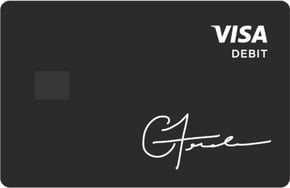
To order a Cash Card, you must be 18 years of age or older. Select the Cash Card tab on the app’s home screen, and press the Get Free Cash Card button. The app will ask a few questions to verify your identity and find out where you’d like to receive your card.
Your card can take up to 10 business days to arrive in the mail, and it may take longer if Cash App needs extra time to complete your identity verification.
Save With Cash App Card Offers
Your Cash App Card can help you save at participating merchants through offers available in the app. Browse the current deals and check whether you need to activate an offer before shopping. Be sure to read the details, since minimum purchases and other restrictions may apply.
Cash Card ATM Withdrawal Limits
The Cash Card does support ATM cash withdrawals, but there are transaction limits to keep in mind. The ATM you use may also have a withdrawal limit, separate from Cash App’s settings. Here are the ATM limits for Cash Card:
- Up to $310 per transaction
- Up to $1,000 per 24-hour period
- Up to $1,000 per 7-day period
Let’s break that down a bit. You can withdraw $1,000 on Monday, but then you have to wait until the following Monday to withdraw more money. If you withdraw $600 Monday and $400 Tuesday, you’ll be able to withdraw another $600 the following Monday.
Cash back at a register also counts toward your withdrawal limit.
Note: If you check your account balance using an ATM, it will display as $0, regardless of how much money is in there. Use the app on your phone for an accurate reflection of your Cash App balance.
Cash Card Fees
There are no monthly fees or transaction fees on the Cash Card. Cash App does charge a $2 ATM fee per withdrawal, in addition to the fee the ATM provider charges. You can have those fees waived if you receive a direct deposit of $300 or more into your Cash App account each month.
Is Cash App a Bank?
Cash App isn’t a bank, but it works with partner banks to offer services such as direct deposit and a debit card. If you have a Cash App Card or sponsor a teen’s account, your eligible balance may qualify for FDIC insurance up to $250,000, provided you meet the coverage requirements.
You can use Cash App for many everyday banking tasks, from receiving your paycheck to sending money to friends and paying for purchases.
You Have Options For Accessing Your Cash App Balance
Cash App supports most prepaid cards for sending payments. The difficulty arises when you want to access your Cash App balance. That’s when you’ll need Cash App’s free Cash Card or a bank account so you can use the funds as you please and unlock all the services offered by this popular payment service. You can request a Cash Card for free, but you must be 18 or older to qualify.
Editorial Note: Our site content is not provided or commissioned by any credit card issuer(s). Opinions expressed on CardRates.com are the author's alone, not those of any credit card issuer, and have not been reviewed, approved, or otherwise endorsed by credit card issuers. Every reasonable effort has been made to maintain accurate information; however, all credit card offer details, including information about rewards, signup bonuses, introductory offers, and other terms and conditions, is presented without warranty. Clicking on any offer on CardRates.com will direct you to the issuer's website, where you can review the current terms and conditions of the offer.
About the Author