Eric Bank is an M.B.A. who has covered financial and business topics since 1985, appearing regularly on Credible, eHow, WiseBread, The Nest, Zacks, Chron, BadCredit.org and dozens of other outlets. Eric specializes in taking complex subject matters and explaining them in simple terms for consumer audiences, particularly in the world of personal finance. Eric holds a Master's in Business Administration from New York University and a Master's in Finance from DePaul University.
Jon leverages 15-plus years of journalism expertise to inform financial consumers about emerging trends and companies making an impact in the industry. He is most knowledgeable in the areas of budgeting, credit card rewards, and responsible credit use. Jon has a passion for writing and editing, and his articles have appeared in publications produced by The New York Times.
With more than 10 years of accounting experience, Danielle Marshall has a deep understanding of many financial disciplines, including personal and commercial lending, retirement annuities, financial forecasting, and general bookkeeping. She has a bachelor's degree from the University of Florida's Fisher School of Accounting and currently manages all accounts receivable and payable for the parent company of CardRates.com. She works directly with credit card issuers and advertising partners to ensure our content meets compliance expectations and regulatory standards.
Disclosure: When you apply through links on our site, we often earn referral fees from partners. For more information, see our ad disclosure and review policy.
Advertiser Disclosure
CardRates.com is a free online resource that offers valuable content and comparison services to users. To keep this resource 100% free, we receive compensation for referrals for many of the offers listed on the site. Along with key review factors, this compensation may impact how and where products appear across CardRates.com (including, for example, the order in which they appear). CardRates.com does not include the entire universe of available offers. Editorial opinions expressed on the site are strictly our own and are not provided, endorsed, or approved by advertisers.
Our Rating
First Progress Select Secured Mastercard®
2.7/5.0
About this rating
Our experts rate credit card offers based on factors like rewards, APRs, signup bonuses, fees, and approval rates, with a focus on benefits that provide the best value. We also consider cardholder needs such as credit-building potential, issuer reputation, and customer service. Our ratings are unbiased, updated regularly, and not influenced by issuers.
A secured credit card provides a great introduction, or re-introduction, to the world of credit-building and financial security. But selecting the right secured option can be challenging.
Pinnacle Bank issues two versions of its First Progress secured credit cards. They differ only in their annual fees and APRs. In this article, I’ll review this card and three similar competitors. All of them provide access to credit for consumers with bad, limited, or no credit. One of these cards may offer a practical solution if you need to establish or rebuild your credit profile.
This secured credit card has a $39 annual fee and a 17.49% (V) APR.
The minimum refundable deposit to get the card is $200*.
You could qualify for the card even with poor or no credit history.
You receive reward points worth 1% cash back when you pay for eligible purchases.
The First Progress Select Secured Mastercard® offers cash back rewards, but its benefits are otherwise minimal. If you acquire this card, your goal likely involves establishing or improving your credit history. Anticipate only fundamental features with this card. Once you build a fair or better credit score, you’ll qualify for superior credit cards with more benefits.
How to Qualify & Apply For the Card
Applying online for the First Progress Select Secured Mastercard® is a cinch. Below is a summary of the card’s details and information on how to access the application form at the bank’s website.
Disclosure: When you apply through links on our site, we often earn referral fees from partners. For more information, see our ad disclosure and review policy.
Advertiser Disclosure
CardRates.com is a free online resource that offers valuable content and comparison services to users. To keep this resource 100% free, we receive compensation for referrals for many of the offers listed on the site. Along with key review factors, this compensation may impact how and where products appear across CardRates.com (including, for example, the order in which they appear). CardRates.com does not include the entire universe of available offers. Editorial opinions expressed on the site are strictly our own and are not provided, endorsed, or approved by advertisers.
Our experts rate credit card offers based on factors like rewards, APRs, signup bonuses, fees, and approval rates, with a focus on benefits that provide the best value. We also consider cardholder needs such as credit-building potential, issuer reputation, and customer service. Our ratings are unbiased, updated regularly, and not influenced by issuers.
Earn Up To 10% Cash Back on everyday shopping with your First Progress Card, plus another 1% back on payments!^^
Apply with no impact to your credit!2
The first step to rebuilding your credit starts with just $200!¹
Choose the First Progress Select Card for a lower annual fee!
All credit types welcome to apply!
Build your credit history across 3 major credit reporting agencies: Equifax, Experian and TransUnion.¹
¹Cardholders who keep their balance low and pay their credit card bill on time every month typically do see an increase in their credit score.
2We may pull a soft inquiry of your credit. Soft inquiries do not impact your credit score.
^^The 10% cash back rate is available only at a limited number of participating merchants. Offer percentages vary by merchant and are subject to change. See First Progress Rewards Program Terms & Conditions for details.
Complete the application by entering your personal and financial details, including your name, contact information, Social Security number, date of birth, and monthly income and expenses.
You need to be a US resident, age 18 or over, and may be ineligible if you recently responded to a First Progress secured card offer or were approved for another Pinnacle card within the last 30 days. Post-approval, you must send a minimum security deposit of $200 to finalize the process.
Your card will arrive within seven to 10 days. After that, you can activate it online using your card number, the last four digits of your Social Security number, and registered phone number.
Benefits & Drawbacks to Consider
Evaluating the advantages and disadvantages of a secured credit card is essential to understanding your financial obligations, such as the necessary security deposit and yearly fee. This assessment helps you determine whether the card’s potential for credit improvement and additional benefits justify its expenses.
Benefits
Credit enhancement: Timely payments and responsible use can help build or rebuild your credit, as the card reports to all three major credit bureaus.
Availability: This card is relatively easy to obtain, even with a poor credit score or limited credit history, thanks to the security deposit that reduces the issuer’s risk.
Comparable features: A secured card provides similar benefits to unsecured cards for those with inferior credit. These include widespread acceptance, fraud protection, and the ability to make various transactions.
Rewards: You receive 1% cash back when you pay for the purchases you make with the card.
Progression opportunity: Responsible use can qualify you for unsecured cards with better terms, such as higher credit limits and no security deposits. However, this card doesn’t provide a direct upgrade route.
Drawbacks
Annual fee: The card carries a $39 annual fee, which may be more than you want to pay.
Interest rate: It has a 17.49% (V) APR on purchases. However, you can avoid it by paying your entire balance each billing cycle.
Foreign transaction fee: This fee adds to the cost of using the card abroad.
Cash advance costs: The card’s charges for cash advances are significant and include both transaction fees and a higher APR.
Limited perks: Compared to other cards, it offers fewer rewards and benefits and lacks a clear upgrade path to an unsecured card.
These drawbacks underscore the need to assess competing credit cards thoroughly. By comparing assorted options, you can identify the most suitable credit card for your requirements.
Other Cards Worth a Look
These three secured cards help you establish or rebuild credit. They demand low minimum deposits and feature low or no annual fees, and all are accessible even with imperfect credit.
Our experts rate credit card offers based on factors like rewards, APRs, signup bonuses, fees, and approval rates, with a focus on benefits that provide the best value. We also consider cardholder needs such as credit-building potential, issuer reputation, and customer service. Our ratings are unbiased, updated regularly, and not influenced by issuers.
The opensky® Secured Visa® Credit Card stands out from the First Progress Select Secured Mastercard® by offering flexibility in funding your security deposit and allowing you to select your monthly payment date.
This card has an average approval rate of 88% without requiring a credit check. It charges a $35 annual fee, yet its higher APR reduces its competitive edge.
Our experts rate credit card offers based on factors like rewards, APRs, signup bonuses, fees, and approval rates, with a focus on benefits that provide the best value. We also consider cardholder needs such as credit-building potential, issuer reputation, and customer service. Our ratings are unbiased, updated regularly, and not influenced by issuers.
No annual or hidden fees. See if you're approved in seconds
Building your credit? Using the Capital One Platinum Secured card responsibly could help
Put down a refundable security deposit starting at $49 to get at least a $200 initial credit line
You could earn back your security deposit as a statement credit when you use your card responsibly, like making payments on time
Be automatically considered for a higher credit line in as little as 6 months with no additional deposit needed
Enjoy peace of mind with $0 Fraud Liability so that you won't be responsible for unauthorized charges
Monitor your credit score with CreditWise from Capital One. It's free for everyone
Get access to your account 24 hours a day, 7 days a week with online banking to access your account from your desktop or smartphone, with Capital One's mobile app
The Capital One Platinum Secured Credit Card provides a $200 credit line for a deposit starting at $49, due immediately. Unlike the First Progress Select Secured Mastercard®, this card does not pay rewards.
Although the card has no annual fee, its drawback is its high APR. It features a clear six-month path to an unsecured card as long as you make timely bill payments every month.
Cardholder Reviews From Reddit
Generally, customer reviewers give little love to the First Progress Select Secured Mastercard®. After reading a cross-section of cardowner remarks, you may feel less inclined toward getting the card.
”I can tolerate a glitchy website or even a long wait time. However, I can’t tolerate being charged a late fee two times in a row when my bank statement shows both payments being sent to them more than ten days prior to the due date. I also need help using my card. Now, I get to write a cancellation letter and hope my funds are noticed in the mail over the next 10 weeks. Stay away from First Progress Cards!”
I received mine quickly, within ten days. During the first two months I used it, it took a while for the money to be returned to the card after I had paid it. If I paid my balance down, it would take a week for the funds to be returned. After my second month with the card, I got my money returned the next day! I really do love it a lot. It’s very simple, but it’s already improved my score quite a bit!
One problem that consumers frequently mention concerns making online payments. It seems that First Progress only accepted checks at one point. But that’s no longer the case, and you can make payments online or through the card’s mobile app.
FAQs: What Is the Card’s Minimum and Maximum Deposit?
The minimum initial deposit is $200, but can be as high as $2,000. Your first statement will show a $39 deduction for the annual fee from your credit.
For example, with a minimum $200 deposit, you start with $161 of available credit, which resets to $200 after paying the annual fee. This process recurs annually when the card charges the fee.
How Do the Card’s Rewards Work?
You earn 1% cash back as a statement credit from rewards points on qualified purchases. You can redeem points solely for statement credits against your account balance. The points hold no cash value, and you cannot exchange them for cash, goods, services, or merchandise.
You can redeem your rewards in 500-point increments online, through the mobile app, or by phone. Points cannot cover your monthly minimum payment. While reward points do not expire, closing the account results in the loss of any unredeemed points.
Is the First Progress Select Secured Mastercard® a Good Credit Card?
Three factors set the context for judging whether the First Progress Select Secured Mastercard® is a good card: The card’s efficiency, its relationship to its two counterparts, and the legitimacy of its issuer, Pinnacle Bank.
The Card’s Effectiveness
The card has a small annual fee and a relatively low APR. In return, you get easy approval, 1% cash back, and reporting to all three credit bureaus. As to whether that makes for a good card, I’d say the First Progress Select Secured Mastercard® is good enough. It is a very basic card, but can be effective for establishing or rebuilding your credit.
As a genuine Mastercard®, the card enjoys global merchant acceptance. You can use it anywhere that accepts Mastercard®, similar to cards from large, reputable financial institutions but with an emphasis on credit improvement.
The First Progress Card Trio
The next factor for judging the card’s merit is how it compares to its two siblings. The trio of First Progress cards from Pinnacle Bank differ only in their APRs and annual fees. The following chart illustrates these differences:
CARD
APR
ANNUAL FEE
First Progress Select Secured Mastercard®
17.49% (V)
$39
First Progress Prestige Secured Mastercard®
13.49% (V)
$49
Your choice among the two First Progress secured credit cards will depend on your financial situation. Here’s a detailed look at why you might pick one over the other:
First Progress Select Secured Mastercard®: This card has a moderate annual fee and APR. It’s good if you want a balance between what you pay every year and the interest rate.
First Progress Prestige Secured Mastercard®: This card has the lowest APR but a slightly higher annual fee. It’s best if you plan to keep a balance on the card and want to pay less interest over time.
In short, pick the First Progress Select Secured Mastercard® for balanced costs and the First Progress Prestige Secured Mastercard® to save on interest.
The Card Issuer’s Credibility
Pinnacle Bank is the card’s issuer. It is a top-performing bank with more than $119 billion in assets.
The Better Business Bureau (BBB) has accredited Pinnacle Bank, the issuer of the card, awarding it an A+ rating. Despite its history and FDIC insurance, customer reviews are minimal but generally unfavorable. I see no evidence to doubt the issuer’s legitimacy. With its long-standing operation, lack of federal legal issues, and reporting to the three major credit bureaus, Pinnacle Bank maintains credibility.
Does First Progress Ever Increase Your Credit Limit?
You have two ways to get a higher credit limit on a First Progress secured card. The first is for you to increase the size of your security deposit.
The maximum initial amount is $2,000, and Pinnacle must preapprove any addition to your security deposit.
The second path to a higher credit limit is for the issuer to increase it without requiring you to add to your deposit. Pinnacle may take this optional step if you establish a flawless payment record and keep your unpaid balances low.
How Much Will a Secured Credit Card Raise My Score?
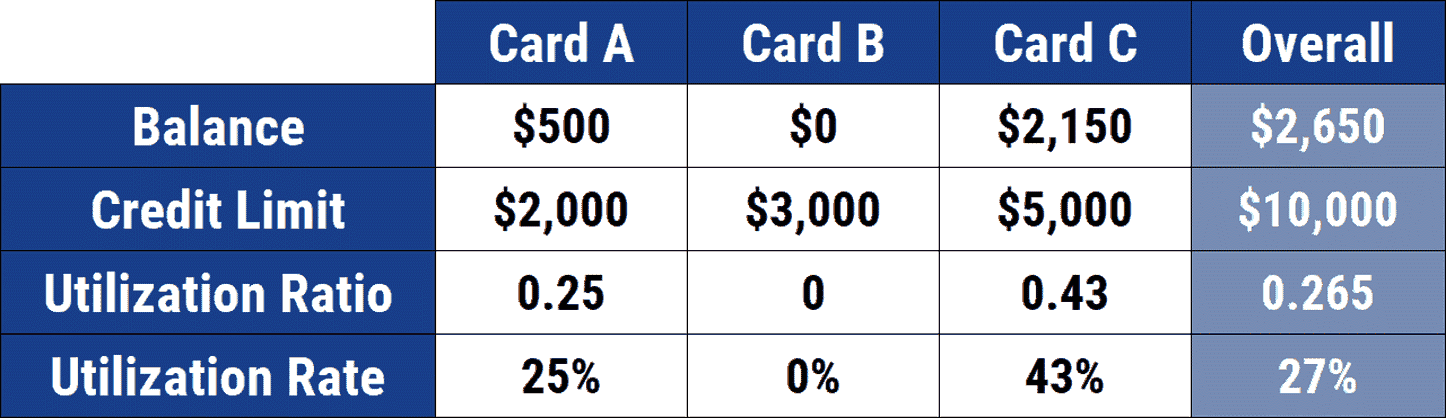
Getting a secured credit card can populate your credit reports with new, positive data. However, you must pay your bills on time and maintain a relatively low credit utilization ratio (i.e., below 30%) to see a significant score increase.
Maintaining a low credit utilization ratio can improve your credit score.
The boost to your credit score depends on several factors, including the card’s reporting practices, how often you use the card, and its credit limit.
Some may see an increase of 10 to 30 points within a few months, while others may experience a more meaningful change, especially if they have little to no credit history. To maximize the secured card’s positive effect on your credit score, you must manage it responsibly by keeping balances low and making payments on time.
Over time, you may achieve good or excellent credit. However, this can take several years to accomplish if you currently have a low credit score.
Can I Be Denied a Secured Credit Card?
An issuer can indeed reject your application for a secured credit card. Although these cards are typically quite accessible, particularly for those with no credit history or those rebuilding credit, issuers can still turn down applications for several reasons.
Factors leading to denial can include bankruptcy history, an extremely poor credit score, failing to meet the issuer’s criteria, including age, residency, possession of a Social Security number, or having past defaults with the issuer. Each issuer sets unique approval standards, so you should understand these and explore different credit card options.
This Card May Be For You If…
You are building or rebuilding credit: You want to create a credit history or rebuild your credit score using an easy-to-get secured card.
You prefer a low-security deposit: The initial upfront deposit starts at $200.
Earning rewards on payments: You want to collect cash back rewards when you pay for your purchases.
You might enjoy the First Progress Select Secured Mastercard® because it gives you cash back, but it’s a pretty simple offering otherwise. Research the three other cards we covered in this article, and also check out some other top cards to find the best one for you. Pay attention to what each card offers, how much it costs, its rules, and if you can get a better card later.
Getting a better card, or graduating to an unsecured card, is an important aspect. It helps you show you’re good with money, can pay on time, and use less credit than you have access to. This is a net positive for your credit score and can get you better deals on loans and cards in the future. Plus, you get your deposit back, so you have more money to spend on other things.
When selecting a secured card, choose one that allows you to upgrade to a better card later. First Progress cards don’t offer this, so keep that in mind. Picking the right card can help improve your credit score and financial situation.
About the Author
Eric Bank is an M.B.A. who has covered financial and business topics since 1985. He has contributed regularly to Credible, eHow, WiseBread, The Nest, Zacks, Chron, BadCredit.org, and dozens of other outlets. Eric specializes in taking complex subject matters and explaining them in simple terms for consumer audiences. Eric holds a Master's in Business Administration from New York University and a Master's in Finance from DePaul University.