
Writer: Brittney Mayer


Editor: Lillian Guevara-Castro


Reviewer: Ashley Fricker

The types of credit cards available are vast and diverse. When I first discovered the world of credit cards, I was amazed at the breadth of the selection offered to consumers. Even today, after years of exploring the farthest reaches of credit cards and personal finance, I still occasionally come across an awesome card I never knew existed.
While experienced cardholders and rewards churners may revel in the abundance and diversity of credit card types available to them, a novice to the modern credit card marketplace can easily be overwhelmed by the sheer number of options. To help put the field of choices into perspective, we’ve answered many of the most common questions about the different types of credit cards — and how to pick the right one. Keep reading to learn about the major types of credit cards, card rewards, introductory offers, and more.
1. What are the Four Major Types of Credit Cards?
In most cases, if you’re asked what type of credit card you have by a merchant or checkout form, the question is likely referring to the credit card network, which is the company that processes the credit card transaction. The four major credit card networks are American Express (Amex), Discover, Mastercard, and Visa.
To determine which credit card network your credit card operates on, you can simply check your physical card for the network logo and/or name. For many modern EMV chip cards, the network logo will be near the printed credit card number.

It’s common to mistake credit card networks with credit card issuers, particularly because two of the major credit card networks — Amex and Discover — also issue all of their own credit cards. In contrast, most credit cards operating on the Mastercard and Visa networks are really issued by a secondary bank, such as Capital One or Chase, or another financial institution.
For example, the Chase Freedom Flex℠ credit card is issued by Chase Bank, but the card is processed on the Mastercard network. On the other hand, the Discover it® Cash Back credit card is solely a Discover card, because Discover is both the issuing bank and credit card network.
Since it’s the network — not the issuing bank — that determines where your credit card will be accepted, you may wish to choose a card based on a specific network. While all four networks are regularly accepted in the U.S., Visa and Mastercard are generally considered to be the most universally accepted around the world (though American Express and Discover are growing in global popularity).
Visa | Mastercard | Discover | Amex
Best “Visa” Credit Cards
Often credited as the very first credit card network, Visa began in 1958 as a part of the first mass-market consumer credit card, the BankAmericard offered by Bank of America. The company expanded internationally in 1974 and officially formed Visa, Inc. in 2007.
Though hundreds of millions of credit cards around the world boast Visa logos, Visa doesn’t issue any of its own cards, instead partnering with a variety of third-party banks.

Additional Disclosure: Bank of America is a CardRates advertiser.
- Earn 75,000 bonus points after you spend $5,000 on purchases in the first 3 months from account opening.
- Enjoy benefits such as 5x on travel purchased through Chase Travel℠, 3x on dining, select streaming services and online groceries, 2x on all other travel purchases, 1x on all other purchases
- Earn up to $50 in statement credits each account anniversary year for hotel stays through Chase Travel℠
- 10% anniversary points boost - each account anniversary you'll earn bonus points equal to 10% of your total purchases made the previous year.
- Count on Trip Cancellation/Interruption Insurance, Auto Rental Collision Damage Waiver, Lost Luggage Insurance and more.
- Complimentary DashPass which unlocks $0 delivery fees & lower service fees for a min. of one year when you activate by 12/31/27. Plus, a $10 promo each month on non-restaurant orders.
- Member FDIC
Additional Disclosure: Non-Monetized. The information related to Chase Sapphire Preferred® Card was collected by CardRates and has not been reviewed or provided by the issuer of this product/card. Product details may vary. Please see issuer website for current information. CardRates does not receive commission for this product.
- Earn 125,000 bonus points after you spend $6,000 on purchases in the first 3 months from account opening.
- Get more than $2,700 in annual value with Sapphire Reserve.
- Earn 8x points on all purchases through Chase Travel℠, including The Edit℠ and 4x points on flights and hotels booked direct. Plus, earn 3x points on dining worldwide & 1x points on all other purchases
- $300 annual travel credit as reimbursement for travel purchases charged to your card each account anniversary year.
- Access over 1,300 airport lounges worldwide with a complimentary Priority Pass™ Select membership, plus every Chase Sapphire Lounge® by The Club with two guests. Plus, up to $120 towards Global Entry, NEXUS, or TSA PreCheck® every 4 years
- Get up to $150 in statement credits every six months for a maximum of $300 annually for dining at restaurants that are part of Sapphire Reserve Exclusive Tables.
- Count on Trip Cancellation/Interruption Insurance, Auto Rental Coverage, Lost Luggage Insurance, no foreign transaction fees, and more.
- Get complimentary Apple TV+, the exclusive streaming home of Apple Originals. Plus Apple Music — all the music you love, across all your devices. Subscriptions run through 6/22/27 — a value of $250 annually
- Member FDIC
Additional Disclosure: Non-Monetized. The information related to Chase Sapphire Reserve® was collected by CardRates and has not been reviewed or provided by the issuer of this product/card. Product details may vary. Please see issuer website for current information. CardRates does not receive commission for this product.
Best “Mastercard” Credit Cards
Mastercard was founded by a group of banks in 1966 as a way to compete with the upstart BankAmericard credit card, and has since become one of the most widely accepted credit card networks in the world. Similar to Amex and Discover, Mastercard does issue several of its own credit cards.
That said, the vast majority of active credit cards sporting the Mastercard logo are issued by third-party banks, including Barclays and HSBC.
+See More Mastercard Credit Cards
Best “Discover” Credit Cards
Discover’s heritage traces back to the 1980s as an offshoot of the popular department store, Sears, before branching out on its own in the mid-2000s. Discover is credited with pioneering the cash back rewards credit card, and carries that legacy into its card offerings to this day.
Discover is both a credit card network and an issuer, operating as its own issuing bank.
+See More Discover Credit Cards
Best “American Express” Credit Cards
American Express, often nicknamed Amex, was founded in 1850 as an express transport service. The company flourished throughout the next 50 years with innovations, like the first American Express Money Order and the American Express Travelers Cheque. Amex introduced its first charge card in 1958, and has since become one of the top five credit card issuers in the world.
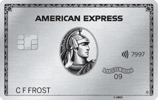
- Earn 175,000 Membership Rewards® points after you use your new card to make $8,000 in purchases in your first 6 months of Card Membership
- Earn 5X Membership Rewards® points for flights booked directly through airlines or American Express Travel, on up to $500,000 on these purchases per calendar year. Also earn 5X Membership Rewards® points on prepaid hotels on AmexTravel.com.
- $600 annual hotel credit, $200 annual airline fee credit, $200 per year Uber cash credit, $300 per year digital entertainment credit, and more.
- Platinum Card Members have unlimited complimentary access to all locations of The Global Lounge Collection®, including 1,550 airport lounges.
- Apply with Confidence: Know if you're approved for this Card with no credit score impact
- Fee Credit for Global Entry, TSA PreCheck®, CLEAR® Plus Membership
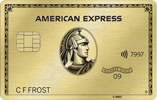
- Earn as high as 100,000 Membership Rewards® points after you spend $8,000 in purchases on your new card within the first 6 months of card membership. Welcome offers vary and you may not be eligible for an offer.
- Earn 4X Points at U.S. supermarkets on up to $25,000 per calendar year in purchases. Also earn 4X Points at restaurants on up to $50,000 per year in purchases, 5X points on prepaid hotels booked through AmexTravel.com or Amex Travel App™, 3X points on flights booked through AmexTravel.com or Amex Travel App™ or directly through airlines, and 2X points on prepaid car rentals booked through AmexTravel.com or Amex Travel App™ and cruises booked and paid through AmexTravel.com.
- No foreign transaction fees
- $120 Dining Credit: Earn up to a total of $10 in statement credits monthly when you pay with the Gold Card at participating partners. This can be an annual savings of up to $120. Enrollment required.
- Take advantage of a $100 credit towards eligible charges at over 1,300 upscale hotels worldwide every time you book The Hotel Collection through AmexTravel.com or Amex Travel App™
- $325 Annual Fee

- Earn 200,000 Membership Rewards® points after you spend $20,000 on eligible purchases with your Card within the first 3 months of card membership
- Earn 5X Membership Rewards® points on flights and prepaid hotels on amextravel.com, 1.5X points on business categories and purchases of $5,000 or more on up to $2 million per calendar year, and 1X point for each dollar you spend on other purchases.
- Get up to $400 back per year toward U.S. purchases with Dell Technologies, up to $360 back per year for purchases with Indeed, and $120 back per year for wireless telephone service purchases on the Business Platinum Card, plus additional credits. Enrollment is required for all.
- Access to more than 1,400 lounges across 140 countries and counting with the American Express Global Lounge Collection®
- Select one qualifying airline and then receive up to $200 in statement credits per calendar year when incidental fees, such as checked bags and in-flight refreshments, are charged by the airline to your Business Platinum Card® Account.
- $695 Annual Fee
2. What Is the Best Type of Credit Card Rewards?
If each credit card issuer put out only a single card, you’d still have dozens of options when seeking out a revolving credit line — but the options are hardly so limited. Even when you’ve narrowed down your search to a particular network and issuer, you still have a very important decision to make: which type of rewards do you want?
Indeed, with such a glut of credit cards on the market, the rewards a card offers can be the deciding factor for many consumers. Unfortunately, there’s no easy way to pick the very best rewards card, as making the most out of credit card rewards will depend on your personal spending habits, as well as other facets of your lifestyle.
For example, if you rarely travel because you have an intense fear of planes, a credit card offering airline miles is probably not the way to go. On the other hand, if you spend so much time in the air, you’ve been adopted by a flock of geese, a travel rewards card might be extremely lucrative.
All in all, cash back rewards are the most straightforward to redeem, essentially providing a rebate on every purchase, while points programs are the most flexible, offering a variety of redemption options. Air miles are most valuable for cardholders who are frequent travelers — or who would like to be.
Air Miles | Cash Back | Points
Best “Air Miles” Credit Cards
The main choice you’ll need to make when selecting an air miles rewards card is whether you want a bank-branded card or an airline-branded card. Airline-branded cards, such as the Gold Delta SkyMiles® card from Amex, reward you directly with frequent flyer miles that are added to your airline loyalty account. Meanwhile, bank-branded cards, like the Capital One Venture Rewards Credit Card, don’t limit to you a particular airline.
+See More Air Miles Credit Cards
Best “Cash Back” Credit Cards
Cash back credit card rewards come in two main flavors: unlimited flat-rate rewards, or bonus category rewards. Unlimited programs give you the same flat earnings rate on all purchases, while cards that offer bonus categories provide higher earnings rates for purchases in the predetermined categories. Additionally, some bonus-category cards have rotating categories that change quarterly.
Additional Disclosure: Bank of America is a CardRates advertiser.
- Earn $200 cash back after you spend $1,500 on purchases in the first 6 months of account opening. This bonus offer will be fulfilled as 20,000 ThankYou® Points, which can be redeemed for $200 cash back.
- Earn 2% on every purchase with unlimited 1% cash back when you buy, plus an additional 1% as you pay for those purchases. To earn cash back, pay at least the minimum due on time. Plus, earn 5% total cash back on hotel, car rentals and attractions booked with Citi Travel.
- Balance Transfer Only Offer: 0% intro APR on Balance Transfers for 18 months. After that, the variable APR will be 18.49% - 28.74%, based on your creditworthiness.
- Balance Transfers do not earn cash back. Intro APR does not apply to purchases.
- If you transfer a balance, interest will be charged on your purchases unless you pay your entire balance (including balance transfers) by the due date each month.
- There is an intro balance transfer fee of 3% of each transfer (minimum $5) completed within the first 4 months of account opening. After that, your fee will be 5% of each transfer (minimum $5).
Additional Disclosure: Citi is a CardRates advertiser.
- Get a 0% intro APR for 15 months on purchases and balance transfers; balance transfer fee applies. Then 17.74% - 26.74% Standard Variable Purchase APR applies, based on credit worthiness
- INTRO OFFER: Unlimited Cashback Match for all new cardmembers. Discover will automatically match all the cash back you’ve earned at the end of your first year! There’s no minimum spending or maximum rewards. You could turn $150 cash back into $300
- Earn 5% cash back on everyday purchases at different places you shop each quarter like grocery stores, restaurants, gas stations, and more, up to the quarterly maximum when you activate. Plus, earn unlimited 1% cash back on all other purchases
- Redeem cash back for any amount. No annual fee
- Terms and conditions apply
+See More Cash Back Credit Cards
Best “Points” Credit Cards
Credit cards offering rewards points tend to be the most versatile rewards, typically providing redemption options that include cash back and travel, as well as things like gift cards, merchandise, and exclusive experiences. Many points programs offer the most per-point value when you transfer your points to a partner airline or hotel loyalty program.
Additional Disclosure: Citi is a CardRates advertiser.
- Earn 20,000 bonus Points after spending $1,000 in the first 3 months of account opening.
- 0% Intro APR on balance transfers and purchases for 15 months; after that, the variable APR will be 18.74% - 28.74%, based on your creditworthiness. There is an intro balance transfer fee of 3% of each transfer (minimum $5) completed within the first 4 months of account opening. After that, your fee will be 5% of each transfer (minimum $5).
- Earn 3 ThankYou® Points for each $1 spent in an eligible Self-Select Category of your choice (Fitness Clubs, Select Streaming Services, Live Entertainment, Cosmetic Stores/Barber Shops/Hair Salons, or Pet Supply Stores). Choose your eligible Self-Select Category on Citi Online or by calling customer service. The default Self-Select Category is Select Streaming Services.
- Earn 5 ThankYou® Points for each $1 spent on Hotels, Car Rentals and Attractions booked on Citi Travel® via cititravel.com; earn 3 ThankYou Points for each $1 spent at Supermarkets, on Select Transit purchases, and at Gas & EV Charging Stations.
- Earn 2 ThankYou® Points for each $1 spent at Restaurants; earn 1 ThankYou® Point for each $1 spent on All Other Purchases.
- No Annual Fee
Additional Disclosure: Citi is a CardRates advertiser.
- Earn 75,000 bonus Points after spending $6,000 in the first 3 months of account opening.
- Earn 12 Points per $1 spent on Hotels, Car Rentals, and Attractions booked on cititravel.com and 6 Points per $1 spent on Air Travel booked on cititravel.com
- Earn 6 Points per $1 spent at Restaurants including Restaurant Delivery Services on CitiNights℠ purchases, every Friday and Saturday from 6 PM to 6 AM ET. Earn 3 Points per $1 spent any other time
- Earn 1.5 Points per $1 spent on All Other Purchases
- Up to $300 Annual Hotel Benefit: Each calendar year, enjoy up to $300 off a hotel stay of two nights or more when booked through cititravel.com.
- No Foreign Transaction Fees
Additional Disclosure: Citi is a CardRates advertiser.
3. What is the Best Type of Introductory Credit Card Offer?
In addition to using credit card rewards to motivate potential cardholders, many credit card issuers are also offering a range of introductory deals to new members. These deals run the gamut, ranging from lucrative signup bonuses that provide a bounty of cash back, points, or miles, all the way to interest rate offers of 0% APR for 12 months or more.
Most rewards-based signup bonuses change every few months, but the basic requirements tend to stay the same across the board. In general, you’ll need to spend a certain minimum amount with your card in a given time period, typically within the first 90 days after opening your account. Signup bonuses can be a great way to enjoy some extra savings or jump-start your points or miles.
As valuable as signup rewards can be, however, intro-APR deals can often be even more lucrative for cardholders prone to carrying a balance. That’s because the average credit card charges an APR around 16%, which can equal sizable interest fees each month you tote around a balance on your card. With a solid intro-APR offer providing a 0% APR on new purchases, you can potentially save hundreds in fees over the course of a year.
And if you already have a balance on which you’re stuck paying huge interest fees? Transfer that balance to a credit card with an introductory interest rate deal offering 0% APR on balance transfers. Eliminating your interest fees can be a great way to put more money toward your balance and get closer to being debt-free.
New Purchases | Balance Transfers
Best Intro-APR “New Purchases” Credit Cards
Cards offering intro-APR deals for new purchases can be a great way to finance big purchases you need to repay over a few months, with typical introductory periods extending to 12 months or more. Plus, you can still earn rewards on your interest-free purchases. Your APR will revert to the default purchase APR when the offer expires, so remember to pay off your balance before the end of your introductory term to avoid being charged interest fees.
Additional Disclosure: Bank of America is a CardRates advertiser.
- $200 online cash rewards bonus after you make at least $1,000 in purchases in the first 90 days of account opening.
- Earn 6% cash back for the first year in the category of your choice. You’ll automatically earn 2% cash back at grocery stores and wholesale clubs, and unlimited 1% cash back on all other purchases. After the first year from account opening, you’ll earn 3% cash back on purchases in your choice category.
- Earn 6% and 2% cash back on the first $2,500 in combined purchases each quarter in the choice category, and at grocery stores and wholesale clubs, then earn unlimited 1% thereafter. After the 3% first-year bonus offer ends, you will earn 3% and 2% cash back on these purchases up to the quarterly maximum.
- No annual fee and cash rewards don’t expire as long as your account remains open.
- Turn daily purchases into everyday wins. Simply use your Customized Cash Rewards credit card for the things you already buy - from gifts to groceries - BofA Rewards™ members earn more cash back.
- 0% Intro APR for 15 billing cycles for purchases, and for any balance transfers made in the first 60 days. After the Intro APR offer ends, a Variable APR that’s currently 17.74% - 27.74% will apply. A 3% Intro balance transfer fee will apply for the first 60 days your account is open. After the Intro balance transfer fee offer ends, the fee for future balance transfers is 5%. Balance transfers may not be used to pay any account provided by Bank of America.
- This offer may not be available elsewhere if you leave this page. You can take advantage of this offer when you apply now.
Additional Disclosure: Bank of America is a CardRates advertiser.
- Earn 20,000 bonus Points after spending $1,000 in the first 3 months of account opening.
- 0% Intro APR on balance transfers and purchases for 15 months; after that, the variable APR will be 18.74% - 28.74%, based on your creditworthiness. There is an intro balance transfer fee of 3% of each transfer (minimum $5) completed within the first 4 months of account opening. After that, your fee will be 5% of each transfer (minimum $5).
- Earn 3 ThankYou® Points for each $1 spent in an eligible Self-Select Category of your choice (Fitness Clubs, Select Streaming Services, Live Entertainment, Cosmetic Stores/Barber Shops/Hair Salons, or Pet Supply Stores). Choose your eligible Self-Select Category on Citi Online or by calling customer service. The default Self-Select Category is Select Streaming Services.
- Earn 5 ThankYou® Points for each $1 spent on Hotels, Car Rentals and Attractions booked on Citi Travel® via cititravel.com; earn 3 ThankYou Points for each $1 spent at Supermarkets, on Select Transit purchases, and at Gas & EV Charging Stations.
- Earn 2 ThankYou® Points for each $1 spent at Restaurants; earn 1 ThankYou® Point for each $1 spent on All Other Purchases.
- No Annual Fee
Additional Disclosure: Citi is a CardRates advertiser.
+See More Intro-APR New Purchases Card Offers
Best Intro-APR “Balance Transfer” Credit Cards
Although you can’t earn rewards on transferred balances, you can certainly save a lot of money in interest fees by using a balance transfer credit card with an intro-APR offer. Keep in mind that most credit cards charge a balance transfer fee — typically 3% to 5% of your transferred balance — and you’ll need to pay the fee at the time of your transfer. Your balance transfer APR will revert to the default balance transfer APR at the end of your intro period.
Additional Disclosure: Bank of America is a CardRates advertiser.
- 0% Intro APR on balance transfers for 21 months and on purchases for 12 months from date of account opening. After that the variable APR will be 16.74% - 27.49%, based on your creditworthiness. Balance transfers must be completed within 4 months of account opening.
- There is an intro balance transfer fee of 3% of each transfer (minimum $5) completed within the first 4 months of account opening. After that, your fee will be 5% of each transfer (minimum $5).
- No Annual Fee - our low intro rates and all the benefits don't come with a yearly charge.
- Buy now and pay later. Split your payment for eligible purchases of $75 or more into a fixed payment with Citi® Flex Pay.
- Get free access to your FICO® Score online.
Additional Disclosure: Citi is a CardRates advertiser.
- 0% Intro APR for 21 billing cycles for purchases, and for any balance transfers made in the first 60 days. After the Intro APR offer ends, a Variable APR that’s currently 15.24% - 26.24% will apply. A 5% fee applies to all balance transfers. Balance transfers may not be used to pay any account provided by Bank of America.
- No annual fee.
- No penalty APR. Paying late won't automatically raise your interest rate (APR). Other account pricing and terms apply.
- When handled responsibly, a credit card can help you build your credit history, which could be helpful when looking for an apartment, a car loan, and even a job.
- This offer may not be available elsewhere if you leave this page. You can take advantage of this offer when you apply now.
Additional Disclosure: Bank of America is a CardRates advertiser.
+See More Intro-APR Balance Transfer Card Offers
4. How Many Different Types of Credit Cards Can You Have?
With literally hundreds of different credit cards from which to choose, it can be hard to limit yourself to just one or two. In fact, to get the most value out of their credit card rewards, some consumers carry a variety of cards to ensure they always have a way to maximize rewards on any purchase. But is there is a limit to how many cards you can have?
The short answer is: Nope. There is no hard-and-fast limit to how many credit cards you can have in your name, nor are there any official restrictions on the types of cards you can carry. If you want to amass over 1,000 different credit cards — and you have the credit to qualify for them — no specific rule says you can’t do so.
That said, individual issuers sometimes have their own limitations on how many of their cards a particular cardholder can obtain. For example, American Express was long reported to have a five-card maximum per cardholder, though that no longer seems to be the case.
A more common credit card restriction is a limit on the number of cards you obtain in a specific time period. In particular, Chase is infamous for its 5/24 Rule, which automatically denies applicants who have opened more than five new credit accounts in the last 24 months. Additionally, Discover requires existing cardholders to have their current card for at least 12 billing cycles before they can apply for a second Discover card.
Overall, the only true limitation on how many credit cards you can have is, well, you. If you rarely carry a balance from month to month and always pay your bill on time, you can easily have multiple credit cards and a great credit score. In fact, consumers with the best FICO scores (800 to 850) have an average of 10 revolving credit lines.
On the other side of the coin, if you are prone to carrying credit card balances or often forget to pay your credit card bill on time, multiple credit cards could spell disaster for your credit score — and your pocketbook. In this case, you may want to limit yourself to one or two cards that you can learn to use responsibly, and stick to cash or prepaid cards for the rest of your purchases.
5. Can You Tell a Credit Card’s Type By Its Number?
For a long while, whenever you used your credit card to make an online purchase, the checkout form would ask you which type of credit card you intended to use. These days, it’s less common to manually fill out this information, as most forms are coded to automatically identify your credit card network.
How does it work? Well, each credit card has a unique credit card number, which is the number used to identify your account during transactions. The first digit of your credit card number actually identifies your credit card network, according to the following:

So, as an example, suppose the first four digits of your credit card number are “3571.” In this case, the “3” would indicate that your credit card network was American Express. Similarly, credit cards with numbers that start with “4744” are processed by the Visa credit card network.
6. What Type of Credit Card Carries the Most Risk?
When compared to the alternative payment methods of our past — namely cash and checks — credit cards provide an unbeatable level of purchasing security. For instance, given the extensive fraud protection offered by credit card companies, you rarely need to worry about your credit card being stolen and used to put you in debt, as many issuers cap (or eliminate) your liability.
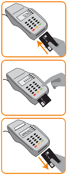
At the same time, no payment method is 100% secure, as fraudsters and thieves are constantly looking for new ways to get their hands on your money. Thankfully, you can look for a few security features that will help prevent unauthorized use of your credit cards.
The most important thing you can do is ensure your credit card is sporting the latest processing technology — the EMV microchip — rather than relying on outdated magnetic-stripe technology. While the old mag-stripe cards carried static information about your account that anyone could duplicate, the newer EMV-chip cards generate a unique code for each transaction that makes duplication difficult.
But even in the EMV world, not all chip cards are the same. Although most chip-card purchases in the US are verified via a signature, this is often considered to be less secure than the four-digit PIN verification utilized in many areas of the world, including the majority of Europe.
Other ways to reduce your credit card risk is to regularly monitor your credit card account to catch any unauthorized usage as soon as possible. A great way to make monitoring your card activity simple is to enable credit card alerts, which can email or text message you whenever a purchase — or another type of transaction — is made with your card.
7. How Do You Pick the Best Type of Credit Card For You?
Whether looking for your first credit card or your 21st, trying to choose between the hundreds of different types of credit cards on the market can be mind-boggling for experts and novices alike. However, selecting the best credit card for your needs doesn’t have to be an overwhelming experience if you break it down to a few key factors.
To start, consider if you need a particular credit card network. While all four major networks are accepted fairly widely in the U.S., worldwide acceptance can vary wildly by network, with Mastercard and Visa typically the most likely to be accepted abroad. If you travel overseas frequently, you may also want to consider a chip-and-PIN card over one that only provides chip-and-signature verification.
The next step is to figure out what you want your new card to actually do. If you’re looking for an everyday card that will help you save a little money on the purchases you make most frequently, then a good rewards card may be your best bet. For those who tend to carry a balance, a card with an intro-APR deal is a no-brainer. If you have good to excellent credit, you can even combine the two options.
For some consumers, the field of options may be limited by a poor credit score, as most consumers with FICO scores below 600 are unlikely to be approved for a prime credit card. If you’re looking at cards for bad credit, you’ll need to decide whether you want an unsecured subprime card, which typically have high rates and fees, or a secured credit card, which requires an initial deposit to open.
In the end, the very best credit card for you will be the one you use responsibly. While credit cards can mean trouble for those who misuse them, they can have a lot of perks when used with care. Indeed, for cardholders who pay off their cards each month — and always pay on time — credit cards can be a safe, convenient, and rewarding way to make your everyday purchases, as well as valuable credit-building tools.
Editorial Note: Our site content is not provided or commissioned by any credit card issuer(s). Opinions expressed on CardRates.com are the author's alone, not those of any credit card issuer, and have not been reviewed, approved, or otherwise endorsed by credit card issuers. Every reasonable effort has been made to maintain accurate information; however, all credit card offer details, including information about rewards, signup bonuses, introductory offers, and other terms and conditions, is presented without warranty. Clicking on any offer on CardRates.com will direct you to the issuer's website, where you can review the current terms and conditions of the offer.
About the Author