
Writer: Eric Bank


Editor: Lillian Guevara-Castro


Reviewer: Ashley Fricker

Key Takeaways
Just because you don’t have a bank account doesn’t mean you can’t use a prepaid debit card. I advise checking out these prepaid cards that don’t require a bank account:
-
GO2bank™: Best prepaid card for earning cash back on certain purchases.
-
Greenlight – Debit Card For Kids: Best prepaid card for children.
According to recent data, 4.2% of American households do not have a bank account. That figure may not seem significant, but considering the US population, that’s still more than 5.6 million households that need access to alternative financial services, such as prepaid debit cards.
You can use a prepaid card to perform basic financial functions, including cashless purchases, money transfers, and withdrawing cash at an ATM. Prepaid cards work perfectly well without a bank account, and for many, provide a satisfactory substitute for credit cards. Moreover, prepaid cards will never hit you with a late fee or interest charges.
-
Navigate This Article:
Best Prepaid Cards That Don’t Require a Bank Account
These prepaid cards provide convenient functionality, regardless of whether you have a bank account. Some even offer FDIC-insured savings accounts, direct deposit, and other bank-like features. If you have no use for banks or credit cards, one of these debit cards may ideally fit your lifestyle.

- Overdraft protection up to $300 with opt-in and eligible direct deposit*
- No monthly fees with eligible direct deposit, otherwise $5 per month
- Earn up to 7% cash back when you buy eGift Cards in the app
- Get your pay up to 2 days early – Get your government benefits up to 4 days early.*
- High-yield savings account, 4.50% APY paid quarterly on savings up to $5,000.*
*Terms and conditions apply. GO2bank™ cards are issued by Green Dot Bank, Member FDIC, pursuant to a license from Visa U.S.A., Inc. Visa is a registered trademark of Visa International Service Association. Overdraft fees may apply. Click Apply Now to learn more.
The GO2bank™ card does carry a monthly fee. But consumers can avoid it with eligible direct deposit.
Cardholders can also prepare for the future by opening a high-yield savings account and watching their money grow.

- Greenlight is a debit card for kids, managed by parents
- Parents set flexible controls and receive real-time alerts while kids monitor their balances, set goals, and learn how to manage money
- Feel secure knowing Greenlight blocks unsafe spending categories
- Receive Mastercard’s Zero Liability Protection
- Upload a photo of your choice to create a unique custom card
- Debit cards are FDIC-insured up to $250,000
- Easily turn your Greenlight card on or off and receive real-time spending notifications
The Greenlight – Debit Card For Kids helps children learn how to handle money. This family-friendly card allows parents to set limits on their children’s spending. Parents can exercise ATM withdrawal control (for instance, cash withdrawals on MoneyPass® ATMs).
The card offers kids cash back rewards and a high yield on savings balances. You can choose from three monthly plans based on the features you want, including the card’s core tools, access to investing (under parental supervision), and various protections.

- Earn points on swipes: Earn up to 7x the points on card swipes at over 14,000 participating merchants, then redeem them for cash back in your account.*
- Get paid up to 2 days faster with direct deposit*
- If you qualify, you can access up to $1,000 before payday with a paycheck advance
- Qualifying direct deposits receive fee-free overdrafts*
- No minimum balance fees, no overdraft fees, no bank transfer fees
- Access to more than 40,000 fee-free ATMs*
- *View product disclosures here.
The Current Visa Debit may be the right choice if avoiding fees is a top priority for you. It allows users to avoid minimum balance fees and doesn’t charge overdraft fees either.
Cardholders can also access more than 40,000 ATMs without a fee with this card.
- Waive your monthly fee when you direct deposit $500+ in previous monthly period. Otherwise, $5.94 a month.*
- Earn 3% cash back at Walmart.com, 2% cash back at Walmart fuel stations, & 1% cash back at Walmart stores, up to $75 each year.*
- Earn 2% interest rate on up to $1,000 balance in your savings account. Plus, get chances to win cash prizes each month!*
- Get peace of mind with three coverage levels, up to $300, for purchase transactions with opt-in & eligible direct deposit.*
*Please see site for full terms and conditions.
Additional Disclosure: Walmart MoneyCard® is a debit card offer.
The Walmart MoneyCard® is sure to grab the attention of the store’s loyal shoppers, thanks to its high cash back rewards for Walmart purchases. You can also withdraw cash from the card for free at Walmart MoneyCenters and customer service desks.
The card keeps fees low. For example, reloads cost nothing when you cash a check at a Walmart store.
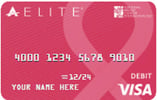
- Manage and control your money on one convenient reloadable prepaid card
- Get paid up to 2 days faster with direct deposit
- No-fee cash withdrawals of up to $100 at ACE with qualifying Direct Deposit
- Earn Payback Rewards on qualifying purchases
- Choose from 3 card designs
- As a cardholder, you can open a Tiered Optional Savings Account. Balances up to $1,000.00 currently earn up to 5.00% annual percentage yield. No minimum balance required.
The ACE Elite® Visa® Prepaid Debit Card offers three plans — pay as you go, monthly, and reduced monthly. The card participates in the Netspend Reload Network, with fees that approximate those for the Netspend twins.
Pathward issues this Visa card as well as the Netspend offerings. Residents of Vermont are ineligible to open this card account.
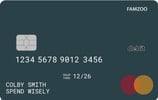
- Great for families who wish to store money on multiple prepaid cards linked together
- No risk of debt, overdraft, or hidden fees
- Retain parental visibility and control while empowering kids of all ages
- Separate funds into multiple purpose-driven accounts
- Alert parents and children about card activity and the remaining balance in real time
- A paid FamZoo subscription entitles you to use all of the active prepaid cards in your FamZoo family for as long as your subscription remains active. Adding family members and adding cards does not impact your subscription fee.
The FamZoo Prepaid Mastercard allows children to learn about using a card while having parental oversight.
To help users stay on top of the card account, parents and children can receive alerts about remaining balances and card activity.
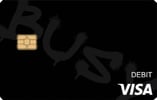
- Take your kid’s spending freedom to the next level with a BusyKid VISA® Prepaid Card. Eliminate concerns over having on-hand cash. It’s easy to use, secure, and it teaches your kids how to manage money they can’t see.
- Every family subscription comes with up to five cards (one per child).
- Cards are backed by the Visa® Zero liability policy and can be locked temporarily if misplaced.
- Given it’s backed by the trusted name of Visa®, the BusyKid Spend Card is widely accepted in stores and online
- BusyPay™ is an easy way for family or friends to instantly send money to a child’s BusyKid account
- Choose from a variety of card designs to find which fits your busy kid best
The BusyKid Visa® Prepaid Card is a great tool for kids to learn about saving, spending, and investing their money. Plus, cardholders have the option to donate a portion of their income to charity.
The card works with the American Public Education Foundation (APEF) to advocate financial education in grades K through 12. Kids can invest in real stocks commission-free with as little as $10.
What Is a Prepaid Debit Card?
A prepaid debit card is a plastic rectangle closely resembling a credit card or bank debit card. However, the card is funded through cash deposits and online money transfers rather than a checking account or credit line.
In some ways, a prepaid debit card resembles a gift card in that you load both with cash. However, prepaid cards are reloadable; gift cards generally are not.
Prepaid cards are less similar to credit cards. While you can use both for cashless purchasing, prepaid cards do not use credit to pay for the things you buy. They are pay-now, spend-later devices that will never put you into debt.

The logo for Visa, Mastercard, or American Express adorns the front of prepaid debit cards. These are the payment networks (and, in the case of Amex, the issuer) associated with the card. Those logos also tell you which merchants accept the card.
Discover does not offer a prepaid card at this time.
Prepaid cards radically depart from credit cards in another way: Your credit score is of no importance when applying for a prepaid card. It doesn’t matter if you have lousy credit, limited credit, or no credit at all – prepaid cards welcome everyone.
Company owners can purchase prepaid business credit cards to help them manage their finances. You can distribute the cards to employees to cover their work and travel expenses without risking overdraft fees.
Business prepaid cards also help companies and their employees by providing fraud liability protection against unauthorized use. Additionally, these cards deliver real-time purchase alerts and other valuable benefits to business owners.
Prepaid cards offer an attractive marketing angle for financial organizations. For example, the Brink’s Armored™ Account draws cardowners with its rewards program while simultaneously promoting the Brinks brand.
Do I Need a Bank Account For a Prepaid Debit Card?
The funding source is the defining difference between prepaid and bank debit cards, and many prepaid card owners do not have a bank account.
All debit cards use money already put aside, not credit that you must repay. Bank debit cards use the money in your checking account to pay for your purchases. Prepaid debit cards rely on the cash you load and maintain in the card account.
True, the money in a prepaid card account probably resides in an FDIC-insured bank, but it’s the issuer’s bank, not yours.
Prepaid cards create a buffer between cardholders and banks, which many people find appealing for a variety of reasons, such as:
- Overdrafts can be expensive: Even so-called free checking accounts come with all sorts of costs, the worst being the dreaded overdraft fee. If you attempt to spend more money with a check or a bank debit card than you have in your bank account, you’ll likely face an overdraft fee averaging around $30 for each occurrence. You’ll also tick off the payee. Prepaid cards can face overdrafts, but unless you have overdraft protection, the issuer will decline the transaction without necessarily charging the cardowner a fee. A few prepaid cards offer purchase cushions to cover small overdrafts. While you must repay the cushion, the feature is a fee-free courtesy to cardowners.
- Free checking accounts aren’t so free: A so-called free checking account doesn’t charge a monthly fee. However, a free account may come with many strings that can make it costly. The free account concept is incompatible with minimum deposit requirements, fees for select services, transaction limits, and other costs. Of course, prepaid cards charge fees too. But certain prepaid cards, such as the Bluebird® American Express® Prepaid Debit Account, minimize expenses, which makes it a popular choice.
- Banks discriminate against consumers with poor credit: If you have ever tried to get a bank loan with bad credit, you probably discovered first-hand the bank’s lack of interest. Similarly, the unsecured credit cards from big banks (e.g., Chase, Citi, etc.) do not accommodate consumers with subprime credit. Chase does not offer a secured card at all.
- Ideological objections: Some folks don’t like banks. It may be partially a rejection of big institutions or disgust at the bailouts available to banks but not to the common guy. To be sure, banks fulfill an essential role in the economy through their deposit and lending operations. By lending out their deposits, banks help finance business growth. Many banks offer high-yield savings, low-cost life insurance, and other desirable financial products.
Another reason why some folks use prepaid cards is that they object to credit. One study found that two in three millennials hate credit cards.
The reasoning for this credit card boycott includes:
- The mountains of debt students carry after graduating college.
- Bitter memories of the turmoil their parents experienced during the Great Recession, mainly due to the irresponsible loans made by the banks.
- The Credit CARD Act of 2009 made it difficult for folks under 21 to get a credit card without a cosigner or substantial income.
It’s OK for people to reject credit, but the consequence is that they may never receive a credit score. Without a score, a person will likely have trouble accessing a loan or qualifying for low-rate insurance. And the lack of a credit report can hamper a person’s ability to rent an apartment or land a job.
Because prepaid cards don’t use credit, they do not report your payment activity to the major credit bureaus. Therefore, prepaid cards can do nothing to help you establish or build your credit.
For at least some prepaid card owners, that’s just jim-dandy.
How Do I Get a Prepaid Debit Card?
Prepaid cards are for sale at select retail locations and online. The purchase transaction is brief and straightforward. All you do is provide some essential identification data, pay an initial fee (if the purchase isn’t online), and load money onto the card account.
You can get help selecting which prepaid card to get through independent reviews like this one. By clicking on an APPLY HERE link, you can access more information about a card’s costs and benefits. If everything looks good, you can fill out the short application form and buy your card.

The purchase of a prepaid card does not require you to submit to a credit check or have a bank account.
You must activate or register the card before you can use it. Failure to register your card may render some of its functions inoperative, and you won’t receive protection against loss or theft.
How Does a Prepaid Debit Card Work?
Getting a prepaid card is easy and convenient. Instead of being tied to a bank account, the card acts as a personal reservoir for the funds you choose to deposit.
Adding Money
You initially load your card at the time of purchase. After that, you can add money whenever you want, subject to the card’s maximum allowed balance.
You can load money onto your card in several ways:
- In person: You can deposit cash at any retail location that sells the card. For example, the Netspend Reload Network has more than 130,000 locations across the country that allow you to add funds to several different prepaid card brands. The typical reload fee is around $4.
- Direct deposit: Almost all prepaid cards accept direct deposits for free. A card may limit the eligible sources to employers and government agencies.
- Mobile check deposits: This method allows you to scan checks with your cellphone and upload them to your card account. The service is usually free, but you will have to pay extra if you need expedited processing.
- Western Union Money Transfer: Most prepaid cards accept wire transfers from Western Union. There is a small fee for this service.
- Account to account transfer: You can load your card via a funds transfer from another account. Details and costs vary by card.
Each prepaid card comes with its own rules for how much money you can load. For example, Netspend allows you to add up to $2,500 daily. Its card balance cap is $15,000, but some cards offer even higher limits.
Making Purchases
To purchase an item at a retail location, you insert, swipe, or tap your card at the checkout terminal, just as you would with a credit card. You’ll then face a somewhat confusing question: Debit or credit?
Let’s be clear; the transaction is always a debit to your card account. A prepaid card is not a prepaid credit card. In fact, “prepaid credit card” best describes secured credit cards.
The use of debit and credit have special meanings in this situation:
- Debit: This is a PIN transaction in which you type in your secret three- or four-digit PIN. The system immediately verifies your entry, helping to secure the card against unauthorized use.
- Credit: In this type of transaction, you sign your name on the checkout terminal or paper receipt. Either the system or the clerk is supposed to verify your signature. Signature transactions are a much less secure payment method and the type preferred by card thieves.
Unless the system rejects the card, the purchase amount immediately reduces the card’s balance. Your card can be rejected if it fails verification or if the account balance is insufficient.
Some cards provide a purchase cushion in case your balance is less than your transaction total. At least one card offers up to $200 overdraft protection.

You can also use your prepaid debit card to make card-not-present (CNP) purchases (i.e., online, over the phone, and in-app). CNP transactions usually require you to provide the card’s security code, just as you would with a credit card.
Withdrawing Money
You can choose from several options when you want to withdraw money from your prepaid card:
- ATM: Some cards offer free in-network ATM withdrawal (for example, on MoneyPass® ATMs), but in most cases, you’ll pay a small ATM fee.
- Over the counter (OTC): You can withdraw funds at an authorized cash reload location or financial institution. The transaction fee is usually less than 3%.
- Cash back at a retail store: Many stores, especially supermarkets, allow you to request cash back when you make a purchase using a PIN. This is an excellent way to withdraw money because it’s free.
Each card sets rules for how much you can withdraw from the card account. For example, Netspend permits a maximum ATM withdrawal of $325 per transaction and $940 per day. Otherwise, the maximum is $4,999.99 every 24 hours. The card allows up to six ATM withdrawals per day.
How Does a Prepaid Card Affect My Credit?
Prepaid cards don’t involve credit, which means they don’t report your payments to the major credit bureaus. Because of this, they can’t help you build or establish credit. The good news is, prepaid cards also won’t hurt your credit.
You may face some problems if you don’t have a credit history. For example, you will likely have trouble getting a low-interest loan or qualifying for low-rate insurance. And the lack of a credit history can interfere with your ability to land a job or rent an apartment.
What Fees Do Prepaid Cards Charge?
The following fee list illustrates the range of charges you’re likely to face with a prepaid debit card:
- A fee for reloading a card at specified locations or via a mobile banking app
- Account inactivity fee
- Cash withdrawals from ATMs. The ATM fee may not apply to in-network machines.
- Custom-design cards
- Declined transaction fee
- Low balance fee
- Money transfers
- Plan charges as a flat monthly fee (about $5 to $10 per month) or a pay-as-you-go fee of around $1.50 per transaction
- Purchasing or activating a card at a retail location. Typically, this is a one-time fee of about $3.
- Replacement cards
To review a complete list of charges, read the cardholder agreement and fee schedule available on the card’s website or through customer service.
Compare Prepaid Debit Cards Without Bank Account Requirements
Prepaid debit cards without bank account requirements extend the convenience of cashless purchasing to unbanked and underbanked consumers. These cards also allow folks with bank accounts to maintain separate cash accounts. For example, they may load a prepaid card with money for a vacation.
When selecting a prepaid card, pay close attention to its fee schedule. Some cards are more expensive than others for no apparent reason. You’ll also want to consider convenience factors, such as your proximity to a cash reload location and the availability of mobile check deposits.
Editorial Note: Our site content is not provided or commissioned by any credit card issuer(s). Opinions expressed on CardRates.com are the author's alone, not those of any credit card issuer, and have not been reviewed, approved, or otherwise endorsed by credit card issuers. Every reasonable effort has been made to maintain accurate information; however, all credit card offer details, including information about rewards, signup bonuses, introductory offers, and other terms and conditions, is presented without warranty. Clicking on any offer on CardRates.com will direct you to the issuer's website, where you can review the current terms and conditions of the offer.
About the Author