

Writer: Mike Randall


Editor: Lillian Guevara-Castro


Reviewer: Ashley Fricker

Credit cards have become such an ingrained part of our modern society that most of us don’t give them much thought. But how many of us could really provide a thorough answer to someone who asks, “How do credit cards work?”
Credit cards are easy to use, widely accepted for making purchases, and as long as we pay at least the minimum amount owed when the bill comes due, they’re ours to use as we please. It’s a convenient way for us to buy things now and pay for them at a later time. Of course, this convenience isn’t free.
Banks and other lending institutions issue credit cards to consumers as a type of revolving credit line (more on that in a bit). The banks make money by charging interest on the balance we carry on our cards, and in some cases, by charging fees. So with credit cards, the banks can lend us money without needing to be involved in every purchase. In this way, we as cardholders are able to borrow from the bank every time we use our card. Let’s dive into this topic with a breakdown of the various types of credit cards and reward programs available. We’ll also look at some of our top picks for rewards cards in a number of categories.
Card Types | Rewards Programs | Account Management Apps
Understanding APR, Interest, Fees & Payments
Since banks earn their money by charging interest and fees on what they lend to us, it is in a consumer’s best interest to understand exactly how these things work. While very few of us has read all of the legal jargon and fine print within our credit card agreement, there are a few easy things we can understand that can help save us some money.
The amount of interest charged by credit card issuers is almost always represented as APR, or Annual Percentage Rate. While this term might indicate interest calculated on a yearly basis, we all know credit card interest is not charged annually. In fact, a credit card’s APR is actually a representation of interest that is accumulated daily.
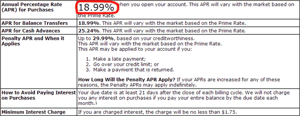
Of course most cards have a grace period, usually around 25 days, during which time if you pay your balance in full, no interest will be charged. However, if you do carry a balance into your next credit card billing cycle, expect to pay interest that’s calculated on a daily basis. This means the interest you accrue during the previous month will actually be charged interest in this month too. That’s called compound interest, and it’s how many people end up paying a lot more in credit card costs than they expected.
Fees are another way that banks and credit card issuers earn money. Late payments, balance transfers, exceeding your credit limit — all of these things will typically incur fees. And if you’re not careful, these fees can add up to even more than you pay in interest charges. This is why it is so important to make on-time payments, and if possible, to not carry a balance.
Secured, Unsecured, Debit & Prepaid Card Differences
Although almost all credit cards look and feel the same, there are different kinds of cards for different purposes. The Federal Trade Commission defines these card types in an excellent tutorial on the FTC website. A person’s credit history, credit score, and perceived creditworthiness by the banks will all help to determine the type of cards that are available. The vast majority of credit cards issued in the US are unsecured, meaning they don’t require a deposit or any collateral in order to get one. However, they do require a good or at least decent credit score.
Here’s a detailed breakdown of the different types of cards and how they work.
How Secured Cards Work
As the name implies, secured credit cards are cards that require a deposit be made into an account at the bank issuing the card. This deposit then becomes the credit line of the secured card. This type of credit card is intended to help build or rebuild credit, and is issued by banks to people who have poor credit or a limited credit history.
A secured card works just like any other credit card, although typically they have a much lower credit limit (the deposit amount). One nice thing about a secured credit card is that payments and usage are reported to the three major credit bureaus just like a standard card, helping to build or rebuild credit for the user.
If you’re interested in a secured card, we recommend visiting our secured credit card comparison before applying. Card offers vary in terms of annual fee, APR, and other criteria.
How Unsecured Cards Work
An unsecured card is what we all think of when we use the term credit card. It is true credit, meaning there is no deposit or collateral requirement in order to get one. These cards are issued based on a person’s credit score and perceived creditworthiness. An applicant with a higher score and better credit history will usually be offered better terms, a lower APR, and a higher credit limit.
They also usually come with various perks such as cash back rewards, airline miles, bonus points, and other incentives. An unsecured credit card offers savvy holders the opportunity to earn extra rewards for purchases they would be making already.
To obtain an unsecured credit card, apply directly with issuers like AmEx, Capital One, Chase, and Discover. Each is known to offer unsecured credit cards with top-notch perks to applicants with good-to-excellent credit ratings.
How Debit Cards Work
Debit cards may look similar to a credit card, but they are a very different animal. For one thing, a debit card is tied to a banking or investment account and draws money from that account. There is no credit involved since the banks are simply processing a withdrawal of your own funds. As such, there is no reporting to the credit agencies and no impact on credit scores.
However, debit cards can be used almost anywhere a credit card is accepted. As long as you don’t overdraw the account associated with your debit card, this is an inexpensive way to use plastic instead of cash. To open a debit card, you’d simply visit your local bank branch or your bank’s website to request one.
How Prepaid Cards Work
Prepaid cards are similar to secured cards, in that they use your own money rather than borrowing from a bank. They’re also similar to debit cards, although they don’t pull from a bank account. In fact, prepaid cards may seem similar, but they really are different than either of those two.
First, unlike secured cards, prepaid card use isn’t reported to the credit bureaus. And unlike debit cards, a prepaid card isn’t backed by a bank account. Prepaid cards can be purchased at retail locations, at your local bank, or even online. They can also be “reloaded” with cash at many locations.
One thing to be aware of with prepaid cards is the fees they charge, including transaction fees, activation fees, cash withdrawal fees, and more. Be sure to check our prepaid credit card comparison to review these fees before applying.
The Various Rewards Programs Explained
Among the cards we’ve mentioned here, standard credit cards are used for the vast majority of all card purchases, at more than 50%. They are also the most diverse, offering consumers the greatest choices of any other card type. Depending on whether you use your card primarily for travel, business purchases, or everyday use, there are cards specifically designed to meet almost any need. There are also bonus and incentive programs that make using your card that much more rewarding. Some of the various credit card types and reward programs include:
Travel & Air Mile Cards
Frequent flyers and business travelers can take advantage of a wide range of credit cards aimed directly at rewarding their patronage. How these cards work is by offering points toward air travel, usually at a 1:1 ratio, for every dollar spent on the card. Often you’ll find 2:1 and 3:1 air mile rewards for certain purchases or expenditures. There are also signup bonuses that can offer up to 50,000 bonus points or more if you spend a minimum amount during the initial signup period. Points can then be converted for travel vouchers.

+ See More Travel Rewards Cards
Travel and air mile cards are not to be confused with frequent flyer programs, as these are usually offered by a specific airline.
Cash Back Cards
Credit cards that offer cash back rewards are aimed at people who may use credit cards for everyday purchases, and who seldom carry a balance from month to month. That’s because cash back rewards are usually paid at a 1% rate, meaning if you carry a balance, it will outweigh what cash is coming back to you. Certain purchases — like for gas, groceries, or specific categories of items — can earn two, three, or even five times the points under certain conditions.
Additional Disclosure: Bank of America is a CardRates advertiser.
- Earn $200 cash back after you spend $1,500 on purchases in the first 6 months of account opening. This bonus offer will be fulfilled as 20,000 ThankYou® Points, which can be redeemed for $200 cash back.
- Earn 2% on every purchase with unlimited 1% cash back when you buy, plus an additional 1% as you pay for those purchases. To earn cash back, pay at least the minimum due on time. Plus, earn 5% total cash back on hotel, car rentals and attractions booked with Citi Travel.
- Balance Transfer Only Offer: 0% intro APR on Balance Transfers for 18 months. After that, the variable APR will be 18.49% - 28.74%, based on your creditworthiness.
- Balance Transfers do not earn cash back. Intro APR does not apply to purchases.
- If you transfer a balance, interest will be charged on your purchases unless you pay your entire balance (including balance transfers) by the due date each month.
- There is an intro balance transfer fee of 3% of each transfer (minimum $5) completed within the first 4 months of account opening. After that, your fee will be 5% of each transfer (minimum $5).
Additional Disclosure: Citi is a CardRates advertiser.
- INTRO OFFER: Unlimited Cashback Match for all new cardmembers. Discover will automatically match all the cash back you’ve earned at the end of your first year! There’s no minimum spending or maximum rewards. You could turn $150 cash back into $300.
- Earn 5% cash back on everyday purchases at different places you shop each quarter like grocery stores, restaurants, gas stations, and more, up to the quarterly maximum when you activate. Plus, earn unlimited 1% cash back on all other purchases.
- Redeem cash back for any amount. No annual fee.
- 0% intro APR on purchases and balance transfers for 15 months; 17.49% - 26.49% variable APR after that; balance transfer fee applies.
- Terms and conditions apply.
Be careful, however, that you don’t waste that cash back by carrying a balance, or by spending on things you don’t need just to get reward points.
Balance Transfer Cards
People with multiple credit cards acquired over a number of years may find themselves with an array of interest rates. And getting rid of the balance on a card with a particularly high interest rate by transferring it to a lower-interest rate card sounds great, right? Sounds great, right? Well, yes and no. The new balance transfer card will likely have a low, or even 0% interest rate for a set period of time, keeping in mind a regular APR will apply after the promotional period ends.
However, a balance transfer fee of around 3% may need to be paid up front, adding to what you owe… meaning that you’ve just increased your debt. But, if you’re diligent about making your monthly payment, and not using the card for new purchases, it can mean big savings in interest charges.
Additional Disclosure: Bank of America is a CardRates advertiser.
- 0% Intro APR on balance transfers for 21 months and on purchases for 12 months from date of account opening. After that the variable APR will be 16.74% - 27.49%, based on your creditworthiness. Balance transfers must be completed within 4 months of account opening.
- There is an intro balance transfer fee of 3% of each transfer (minimum $5) completed within the first 4 months of account opening. After that, your fee will be 5% of each transfer (minimum $5).
- No Annual Fee - our low intro rates and all the benefits don't come with a yearly charge.
- Buy now and pay later. Split your payment for eligible purchases of $75 or more into a fixed payment with Citi® Flex Pay.
- Get free access to your FICO® Score online.
Additional Disclosure: Citi is a CardRates advertiser.
- 0% Intro APR for 21 billing cycles for purchases, and for any balance transfers made in the first 60 days. After the Intro APR offer ends, a Variable APR that’s currently 14.99% - 25.99% will apply. A 5% fee applies to all balance transfers. Balance transfers may not be used to pay any account provided by Bank of America.
- No annual fee.
- No penalty APR. Paying late won't automatically raise your interest rate (APR). Other account pricing and terms apply.
- When handled responsibly, a credit card can help you build your credit history, which could be helpful when looking for an apartment, a car loan, and even a job.
- This offer may not be available elsewhere if you leave this page. You can take advantage of this offer when you apply now.
Additional Disclosure: Bank of America is a CardRates advertiser.
+ See More Balance Transfer Cards
0% Intro APR Cards
Credit cards that offer a 0% introductory APR rate can be a great way to save some money on interest charges. However, there are some precautions to keep in mind when choosing these cards. The first is that your 0% intro rate will eventually end, leaving you with a potentially high APR after that. But for large one-time purchases, this can be a great way to spread out the payments, and get a no-interest loan — as long as you have the proper discipline to pay it off on time.
Additional Disclosure: Bank of America is a CardRates advertiser.
- $200 online cash rewards bonus after you make at least $1,000 in purchases in the first 90 days of account opening.
- Earn 6% cash back for the first year in the category of your choice. You’ll automatically earn 2% cash back at grocery stores and wholesale clubs, and unlimited 1% cash back on all other purchases. After the first year from account opening, you’ll earn 3% cash back on purchases in your choice category.
- Earn 6% and 2% cash back on the first $2,500 in combined purchases each quarter in the choice category, and at grocery stores and wholesale clubs, then earn unlimited 1% thereafter. After the 3% first-year bonus offer ends, you will earn 3% and 2% cash back on these purchases up to the quarterly maximum.
- No annual fee and cash rewards don’t expire as long as your account remains open.
- Turn daily purchases into everyday wins. Simply use your Customized Cash Rewards credit card for the things you already buy - from gifts to groceries - BofA Rewards™ members earn more cash back.
- 0% Intro APR for 15 billing cycles for purchases, and for any balance transfers made in the first 60 days. After the Intro APR offer ends, a Variable APR that’s currently 17.49% - 27.49% will apply. A 3% Intro balance transfer fee will apply for the first 60 days your account is open. After the Intro balance transfer fee offer ends, the fee for future balance transfers is 5%. Balance transfers may not be used to pay any account provided by Bank of America.
- This offer may not be available elsewhere if you leave this page. You can take advantage of this offer when you apply now.
Additional Disclosure: Bank of America is a CardRates advertiser.
- Earn 20,000 bonus Points after spending $1,000 in the first 3 months of account opening.
- 0% Intro APR on balance transfers and purchases for 15 months; after that, the variable APR will be 18.74% - 28.74%, based on your creditworthiness. There is an intro balance transfer fee of 3% of each transfer (minimum $5) completed within the first 4 months of account opening. After that, your fee will be 5% of each transfer (minimum $5).
- Earn 3 ThankYou® Points for each $1 spent in an eligible Self-Select Category of your choice (Fitness Clubs, Select Streaming Services, Live Entertainment, Cosmetic Stores/Barber Shops/Hair Salons, or Pet Supply Stores). Choose your eligible Self-Select Category on Citi Online or by calling customer service. The default Self-Select Category is Select Streaming Services.
- Earn 5 ThankYou® Points for each $1 spent on Hotels, Car Rentals and Attractions booked on Citi Travel® via cititravel.com; earn 3 ThankYou Points for each $1 spent at Supermarkets, on Select Transit purchases, and at Gas & EV Charging Stations.
- Earn 2 ThankYou® Points for each $1 spent at Restaurants; earn 1 ThankYou® Point for each $1 spent on All Other Purchases.
- No Annual Fee
Additional Disclosure: Citi is a CardRates advertiser.
Be aware that with these types of cards, the intro rate can be revoked for making even one late payment, so always pay your bill on time!
Points & Gifts Cards
Points and gifts credit cards offer rewards in the form of redeemable points for a variety of cool products. These cards are meant for folks who don’t have a specific type of incentive goal, but who want to leverage their card use just the same. Points can be redeemed for travel or for gifts found in the issuer’s catalog, exchanged for gift cards, or even be turned into cash.
Additional Disclosure: Citi is a CardRates advertiser.
- Earn 20,000 bonus Points after spending $1,000 in the first 3 months of account opening.
- 0% Intro APR on balance transfers and purchases for 15 months; after that, the variable APR will be 18.74% - 28.74%, based on your creditworthiness. There is an intro balance transfer fee of 3% of each transfer (minimum $5) completed within the first 4 months of account opening. After that, your fee will be 5% of each transfer (minimum $5).
- Earn 3 ThankYou® Points for each $1 spent in an eligible Self-Select Category of your choice (Fitness Clubs, Select Streaming Services, Live Entertainment, Cosmetic Stores/Barber Shops/Hair Salons, or Pet Supply Stores). Choose your eligible Self-Select Category on Citi Online or by calling customer service. The default Self-Select Category is Select Streaming Services.
- Earn 5 ThankYou® Points for each $1 spent on Hotels, Car Rentals and Attractions booked on Citi Travel® via cititravel.com; earn 3 ThankYou Points for each $1 spent at Supermarkets, on Select Transit purchases, and at Gas & EV Charging Stations.
- Earn 2 ThankYou® Points for each $1 spent at Restaurants; earn 1 ThankYou® Point for each $1 spent on All Other Purchases.
- No Annual Fee
Additional Disclosure: Citi is a CardRates advertiser.
- Earn 75,000 bonus Points after spending $6,000 in the first 3 months of account opening.
- Earn 12 Points per $1 spent on Hotels, Car Rentals, and Attractions booked on cititravel.com and 6 Points per $1 spent on Air Travel booked on cititravel.com
- Earn 6 Points per $1 spent at Restaurants including Restaurant Delivery Services on CitiNights℠ purchases, every Friday and Saturday from 6 PM to 6 AM ET. Earn 3 Points per $1 spent any other time
- Earn 1.5 Points per $1 spent on All Other Purchases
- Up to $300 Annual Hotel Benefit: Each calendar year, enjoy up to $300 off a hotel stay of two nights or more when booked through cititravel.com.
- No Foreign Transaction Fees
Additional Disclosure: Citi is a CardRates advertiser.
+ See More Points & Gifts Cards
As with other cards though, take care not to overspend just to maximize your reward points; i.e. spending a dollar to earn a penny. Doing so only defeats the purpose of earning a reward.
Business Cards
Business credit cards are specifically designed for small business owners and offer benefits that these hard-working entrepreneurs need. Some of these perks include more flexible payment plans, larger credit limits, incentive programs that are geared toward small business spending, and more.
Additional Disclosure: Bank of America is a CardRates advertiser.
- Earn a one-time welcome bonus of 100,000 miles once you spend $10,000 on purchases within the first 3 months from account opening
- Earn unlimited 2X miles per dollar on every purchase, everywhere, no limits or category restrictions, and miles won't expire for the life of the account
- Receive up to $220 in credits: Receive an annual $50 travel credit for bookings through Capital One Business Travel, up to an annual $50 statement credit for purchases at qualifying advertising or software merchants, plus up to a $120 credit for Global Entry or TSA PreCheck® every four years. Terms and conditions apply
- Unlimited 5X miles on hotels, vacation rentals and rental cars booked through Capital One Business Travel
- Transfer your miles to 15+ travel loyalty programs
- Redeem your miles instantly for any travel-related purchases, from flights and hotels to ride-sharing services
- $95 annual fee
- Free employee cards which also earn unlimited 2X miles from their purchases
- Top rated mobile app
- $500 Online Cash Rewards Bonus Offer: Get a $500 online cash rewards bonus after you make at least $5,000 in purchases in the first 90 days of your account opening.
- Earn unlimited 1.5% cash back on purchases, or join Preferred Rewards for Business for no fee, and earn up to an unlimited 2.62% cash back on all purchases if you have a Bank of America® business checking account and qualify for our highest Preferred Rewards for Business tier.
- No annual cap and cash rewards don’t expire as long as your account remains open.
- No annual fee.
- Choose how to redeem your cash rewards – as a deposit into your eligible Bank of America® checking or savings account, as a card statement credit or as a check mailed to you.
- 0% Introductory APR on purchases for your first 7 billing cycles. After the intro APR offer ends, a Variable APR that's currently 16.74% to 26.74% will apply.
- Contactless Cards - the security of a chip card, with the convenience of a tap.
- This offer may not be available if you leave this page or visit our website. You can take advantage of this offer when you apply now.
It’s important to be aware that business credit cards aren’t included under the Credit CARD Act of 2009, and therefore don’t offer the same protections. However, many small businesses will benefit from the more personal and closer business services relationship with their bank.
Student Cards
A student credit card is specifically designed to help college-aged students and recent grads establish good credit and develop good spending habits. Many student cards offer more flexibility in making payments, more choices in rewards programs, and even offer online tools to help students manage their spending and budgets. In addition, credit requirements for student cards are often less stringent than those for other cards.
Take Advantage of Mobile Apps to Manage Card Accounts
If you’re serious about maximizing the reward points for each of the cards you carry, it can be pretty tough to do on your own. Remembering which of your cards is offering the best cash back rewards for which purchase type can be daunting. Then you have to remember where you are in the billing cycle for each card. Not to mention managing current APR rates and zero-interest expiration dates. It’s enough to make you switch to cash.
Luckily, some very creative folks have come up with some useful mobile apps to help you in this task. Here are two:

Reward Summit: This is another app that tracks your credit card reward programs, and tells you the best card to use to make a purchase. It is completely secure and keeps your information private, and it’s easy to use. It will also generate reports on your rewards usage and can compare your rewards prowess with that of other Reward Summit users.

Smorecard: This free app for Android and iPhone promises to help you get the most out of your credit card programs. It uses a real-time GPS locater to help you get the best pricing based on where you are and then tells you the best card to use. Smorecard tracks changes to your reward programs, as well as your usage. It doesn’t retain your personal card information, so you don’t have to worry about it getting hacked and stolen.
We always say education is a consumer’s best weapon, and the best way to optimize your credit card usage. Now that you know more about how credit card APRs, types, reward programs and incentives work, you’re on your way to becoming a more effective credit card user. You can be among the minority of credit card users who actually take full advantage of what the card issuers offer, while being sure to maintain thoughtful and responsible spending habits.
Editorial Note: Our site content is not provided or commissioned by any credit card issuer(s). Opinions expressed on CardRates.com are the author's alone, not those of any credit card issuer, and have not been reviewed, approved, or otherwise endorsed by credit card issuers. Every reasonable effort has been made to maintain accurate information; however, all credit card offer details, including information about rewards, signup bonuses, introductory offers, and other terms and conditions, is presented without warranty. Clicking on any offer on CardRates.com will direct you to the issuer's website, where you can review the current terms and conditions of the offer.
About the Author

![How to Sign Up For a Credit Card: Expert Guide[updated_month_year before=" (" after=")"]](https://www.cardrates.com/images/uploads/2017/12/signup2.png?width=164&height=85 "How to Sign Up For a Credit Card: Expert Guide[updated_month_year before=\" (\" after=\")\"]")
![What Credit Card is Best for Me? Expert Guide[updated_month_year before=" (" after=")"]](https://www.cardrates.com/images/uploads/2018/03/me.png?width=164&height=85 "What Credit Card is Best for Me? Expert Guide[updated_month_year before=\" (\" after=\")\"]")
![9 Best Airline Rewards Programs: Expert Guide[updated_month_year before=" (" after=")"]](https://www.cardrates.com/images/uploads/2017/10/airline.png?width=164&height=85 "9 Best Airline Rewards Programs: Expert Guide[updated_month_year before=\" (\" after=\")\"]")
![Understanding Credit Cards: A Beginner’s Guide[updated_month_year before=" (" after=")"]](https://www.cardrates.com/images/uploads/2019/10/Understanding-Credit-Cards-Feat.jpg?width=164&height=85 "Understanding Credit Cards: A Beginner’s Guide[updated_month_year before=\" (\" after=\")\"]")
![How Does Credit Card Interest Work?[updated_month_year before=" (" after=")"]](https://www.cardrates.com/images/uploads/2017/07/interestworks.png?width=164&height=85 "How Does Credit Card Interest Work?[updated_month_year before=\" (\" after=\")\"]")
![How Does a Prepaid Credit Card Work?[updated_month_year before=" (" after=")"]](https://www.cardrates.com/images/uploads/2020/01/How-Does-a-Prepaid-Credit-Card-Work.jpg?width=164&height=85 "How Does a Prepaid Credit Card Work?[updated_month_year before=\" (\" after=\")\"]")
![8 Best Credit Cards for Beginners[updated_month_year before=" (" after=" Guide)"]](https://www.cardrates.com/images/uploads/2019/03/credit-cards-for-beginners-feature.jpg?width=164&height=85 "8 Best Credit Cards for Beginners[updated_month_year before=\" (\" after=\" Guide)\"]")
![How Does a Secured Credit Card Work? (+ 5 Best Cards) –[updated_month_year before=" "]](https://www.cardrates.com/images/uploads/2016/10/how-does-a-secured-credit-card-work.jpg?width=164&height=85 "How Does a Secured Credit Card Work? (+ 5 Best Cards) –[updated_month_year before=\" \"]")