
Writer: Gerri Detweiler


Editor: Jon McDonald


Reviewer: Ashley Fricker

Opinions expressed here are ours alone, and are not provided, endorsed, or approved by any issuer. Our articles follow strict editorial guidelines and are updated regularly.
Your credit card issuer closed your account. Is it possible to reopen it? That question is more common than you may realize, and the answer may have implications for your credit scores, rewards you’ve earned, and your card options going forward.
The short answer is: Yes, you can reopen a closed card. But you’ll need to figure out why it was closed first, and it may take some work to get it back.
Here’s what you need to know if your credit card company closes your account and you want to keep it.
3 Steps You Can Take to Reopen a Closed Credit Account
Just as an issuer decides whether you qualify to open a card, it decides when to close it and whether to reopen it.
Each issuer has its own policy when it comes to reopening accounts. Some won’t even consider the request, while others may.
You may discover your account was closed when you try to use it, and the purchase is declined. Or you may get a notice from your card issuer letting you know the account was closed.
Either way, here are steps you can take to try to reopen it.
1. Understand the Reason for Closure
There are a number of reasons your card issuer may close your account:
- The account was inactive: It’s common for issuers to close accounts you don’t use. Some issuers will allow an account to remain inactive for a longer period of time than others, but lack of activity can result in closure.
- You paid late: An occasional late payment isn’t likely to get your account closed, but it can — especially if you have high balances on that card or others you hold. Repeated late payments can also trigger an account closure if the issuer considers the account too risky.
- You credit cycled: Consumers who regularly charge close to their limit, pay off the balance, and then do it again within the same billing cycle may be flagged for what’s sometimes referred to as “credit cycling.” Some issuers may see this as risky behavior because it can allow a customer to spend more than the credit limit during a billing cycle.
- The issuer identified suspicious activity: Issuers monitor accounts for potential fraud, and unusual activity could lead an issuer to close it. One Redditor reported that it happened ten days after they got a new card and used it for everyday purchases. The issuer told them they closed the account due to “activity inconsistent with typical customer account usage.”
- You were a victim of credit fraud: One of my cards was closed after an online order for multiple pairs of sneakers was shipped to an address not associated with my previous purchases. The charge went through, but when I responded to an alert, the issuer closed the account. Normally, issuers will issue a new card when this happens (mine did), but it isn’t always automatic.
The reason your account was closed may affect how you approach your conversation with the issuer.
For example, if it was closed due to inactivity but you didn’t see the notice from the issuer giving you a time frame to make a purchase to keep it open, you may have more success getting it reopened than if it was closed due to missed payments.
2. Prepare Your Case
If the idea of asking the issuer to reverse its decision feels intimidating, take a little time to prepare yourself for the conversation.
It’s always a good idea to check your credit before you try to get a new card or loan, and the same applies if you are trying to reopen an account. An issuer may check your credit as part of this process, and it’s helpful to know what they will see.
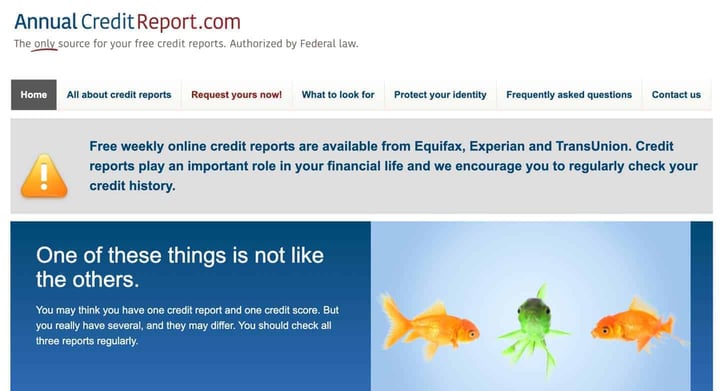
You can review your credit reports from all three credit bureaus at AnnualCreditReport.com or use a credit monitoring service. Information on your credit reports can contribute to an account closure, and can affect whether the issuer will reopen your account.
Also review your account activity. Look at how you used the account in the past, and think about how you might use it in the future. If it was closed due to inactivity, for example, you may want to mention a large upcoming purchase you hope to use the card for.
Or if you were a victim of fraud, an identity theft affidavit may be used to report it to the card issuer.
3. Present Your Case to the Issuer
If you want to reopen an account that was closed, act quickly. Some issuers may have a limited window for considering these requests.
Don’t be afraid to ask. Call and ask politely if the decision can be reversed.
If your credit card company considers these types of requests, it will likely have a process for reviewing your account to decide if it’s eligible to be reopened.
Potential Consequences of Not Reopening an Account
For some people, a closed account isn’t a big deal. They just use other accounts.
But there may be consequences, and the first involves your credit scores. When an account is closed, that credit limit is no longer available.
Credit scoring models compare your credit limits to your balances (individually and in the aggregate) to calculate credit utilization. Losing a credit line can raise your utilization ratio and lower your credit scores.
What Makes Up a FICO Score?
A closed credit card can impact your credit utilization, which FICO looks at in its "Amounts Owed" category.
- Payment history
- Amounts owed
- Credit history length
- New credit
- Credit mix
When it comes to credit scores, the length of your credit history is another important factor, so you may worry that if your issuer closes an account you’ve held a long time, it will hurt your scores.
But with FICO scores, a closed credit card can still contribute to the length of your credit history as long as it appears on your credit reports. Closed credit card accounts typically remain on your credit reports for about a decade.
Keep in mind that your issuer may review your credit when deciding whether to reopen the account, and that could potentially result in a hard inquiry that could lower your score by roughly 3-7 points.
You may want to ask whether there will be a soft or hard inquiry, as soft inquiries don’t affect your credit scores.
Another major consequence is the potential loss of rewards you’ve accumulated on the account. Under some issuers' policies, you will lose rewards if the account is closed by you or by them.
Finally, make sure you don’t forget about any automatic payments that used the card. You will need to set up a different payment method or risk interrupting subscriptions or services.
When to Cut Your Losses and Reapply
If your issuer says it won’t reopen your account, here are three options:
- Let it go: If you have other cards and no need for a new card, this may be a perfectly acceptable choice.
- Apply for the same card again: You may want to talk with a customer service agent to find out whether this is an option. They may suggest a different card.
- Get a new card with a new issuer. If you had a bad experience with that issuer, it might be time to find another card that’s a better fit.
And if your account was closed because you are experiencing financial difficulties and are falling behind on your payments or have maxed out your cards, reach out to a reputable credit counseling agency for help.
Reopening a Credit Card Account Is Possible, but Not Guaranteed
Getting a closed credit card account reopened may be possible, depending on the reason it was closed, the issuer’s policies, and your credit profile. If you want to keep the account, contact the issuer promptly, find out whether reopening it is an option, and ask what steps you need to take.
If your issuer won’t reopen the account, consider whether applying for a new account makes sense. Either way, understanding how the closure may affect your credit score and rewards can help you decide what to do next.
Editorial Note: Our site content is not provided or commissioned by any credit card issuer(s). Opinions expressed on CardRates.com are the author's alone, not those of any credit card issuer, and have not been reviewed, approved, or otherwise endorsed by credit card issuers. Every reasonable effort has been made to maintain accurate information; however, all credit card offer details, including information about rewards, signup bonuses, introductory offers, and other terms and conditions, is presented without warranty. Clicking on any offer on CardRates.com will direct you to the issuer's website, where you can review the current terms and conditions of the offer.
About the Author