
Writer: Andrew Allen


Editor: Adam West


Reviewer: Ashley Fricker

Our experts and industry insiders blog the latest news, studies and current events from inside the credit card industry. Our articles follow strict editorial guidelines.
Key Takeaways
- Earning the Krak Card’s top 2% cash back rate requires an average asset balance of at least $50,000.
- Cardholders can spend from more than 600 currencies and assets, although conversions may carry costs and tax consequences.
- Most surveyed Americans said they prefer cash rewards and would consider switching to a card that offers rewards without borrowing.
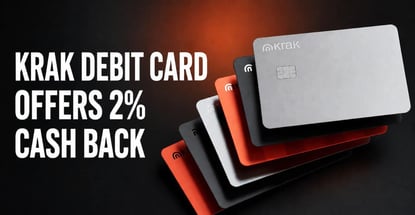
Krak, the fintech app from crypto exchange Kraken, has launched a U.S. debit card that lets cardholders earn up to 2% cash back on purchases.
Consumers may associate cash back rewards more with credit cards than debit cards. But Krak’s top 2% rate exceeds what some credit card issuers offer on their rewards cards.
But relatively few prospective cardholders may qualify for that rate. To earn the highest rate of 2%, cardholders need to have a 30-day average balance on assets held with Kraken, Krak, and Kraken Pro of at least $50,000.

Cardholders need an average of $10,000 or more to earn 1.5% cash back. An in-depth listing of the reward tiers for the card is available on Krak’s website. New cardholders are eligible to receive the top tier of rewards for 30 days following the opening of an account with Krak.
An FAQ on Krak’s website indicates that cardholders won’t face earning limits or monthly caps on rewards.
Krak emphasizes the card’s flexibility, positioning it as “the only debit card you’ll ever need” in a blog post. Cardholders can elect to receive cash back, which is paid after a transaction settles, in either U.S. dollars or Bitcoin.
Cardholders can spend from balances held across more than 600 currencies and assets, including Bitcoin, Dogecoin, and Ethereum. Krak converts those assets to U.S. dollars at checkout.
Krak says a variable spread may apply when assets are converted, and spending cryptocurrency may create taxable capital gains or losses.
The card doesn’t come with any annual or monthly fees, but it does charge a foreign currency transaction fee that amounts to 1% of the transaction. In addition, cardholders may have to pay for any replacement cards they need. The cost of replacing the plastic version of the card is $4.99, while the metal one comes with a $60 price tag.
Consumers Cite Preference for Cash Back Over Points
Krak is marketing the card around Americans’ frustrations with traditional credit card rewards. The app teamed up with market research firm Morning Consult to survey more than 2,000 adults in July of this year, and the findings suggest that consumers want more out of card rewards programs.
Nearly half of respondents (47%) reported that credit cards offer the only way to access meaningful rewards. But 6 out of 10 respondents said they would switch to a card if it offered real rewards that didn’t require borrowing. And nearly the same rate (57%) said they prefer to receive rewards in cash as opposed to points.
In a statement announcing the card, Arjun Sethi, Co-CEO of Kraken’s parent company, Payward, said people have lost trust in how the financial system treats them. Sethi pointed to concerns over the fees people face, the rates they receive, and how rewards systems actually function.
“The old deal was simple: if you wanted rewards, you had to take on debt to get them,” Sethi said. “That deal is over. The Krak Card turns whatever people choose to hold into money they can spend anywhere, and pays the value back as cash, not points.”
Krak says the card works in more than 200 countries, at more than 150 million merchants, and at more than 2.5 million ATMs. The card is issued by Lead Bank and runs on the Visa network.
The Card From Krak Comes in Orange or Black
Debit purchase growth recently outpaced credit purchase growth among the accounts tracked by Velera, a fintech company that provides payment services to credit unions.
The company’s latest Payments Index reveals that debit purchases increased by 8.8% year over year. Meanwhile, credit purchases increased by just 2.7% over the same period.
If more companies add attractive rewards to their debit card programs, debit cards could win over more people who’ve traditionally shopped with credit cards.
The new card doesn’t come with monthly or annual fees, though cardholders may have to pay for any replacement cards they require.
People who order a Krak Card can add it to Apple Pay or Google Pay before they receive it in the mail. The physical version of the card comes in either orange or black. But the app’s blog post reveals that cardholders can work their way to qualifying for a metal edition of the card.
Though the card is only just now coming to the U.S. market, Krak rolled out the tool to other territories in November of 2025. Krak says it has issued more than 125,000 cards across the UK and European Economic Area.
Krak says it is working to expand availability for the Krak Card, but the card is not currently available in Indiana, Maine, Massachusetts, or New York.
Editorial Note: Our site content is not provided or commissioned by any credit card issuer(s). Opinions expressed on CardRates.com are the author's alone, not those of any credit card issuer, and have not been reviewed, approved, or otherwise endorsed by credit card issuers. Every reasonable effort has been made to maintain accurate information; however, all credit card offer details, including information about rewards, signup bonuses, introductory offers, and other terms and conditions, is presented without warranty. Clicking on any offer on CardRates.com will direct you to the issuer's website, where you can review the current terms and conditions of the offer.
About the Author