
Writer: Andrew Allen


Editor: Adam West


Reviewer: Ashley Fricker

Our experts and industry insiders blog the latest news, studies and current events from inside the credit card industry. Our articles follow strict editorial guidelines.
Key Takeaways
- Teens can use a parent or guardian’s Builder Card, with eligible activity dating back to age 16 reported once they turn 18.
- The Builder Card uses money from checking to cover purchases, and a higher credit score is not guaranteed.
- The family program also gives teens access to savings and investing with parental oversight.
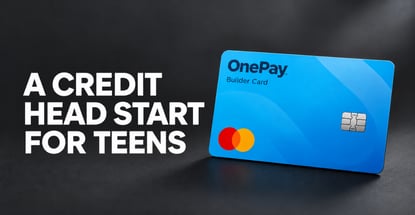
OnePay has launched a family banking program that lets teens use a parent or guardian’s secured Builder Card.
Activity dating back to age 16 can be reported to credit bureaus once they turn 18.
When OnePay Reports Teen Builder Card Activity
Source: OnePay
Known as the Builder Card, it may be just what many teens are looking for as they prepare to leave their childhood behind and take their first steps into adulthood. Teens can access the card as authorized users on the Builder Card account of their parent or guardian. OnePay is backed by Walmart and investment firm Ribbit Capital.
How the Builder Card Works for Teens
Cardholders don’t have to make a security deposit to begin paying with the Builder Card. Instead, their spending power is generally tied to the balance in their checking account.
When a cardholder buys a product or service with the card, the amount of the payment needed to complete the transaction is transferred from their checking account to their Builder Card Lockbox subaccount.
A cardholder’s balance on their Builder Card is then paid off each month by way of autopayments from the money that had been moved to the subaccount.
And OnePay then reports the payment history on a Builder Card to Experian, Equifax, and TransUnion, unless a cardholder opts out of that process.
Though Builder Card activity dating back to age 16 is included, reporting for teen authorized users doesn’t take place until they turn 18 and requires that they remain authorized users, have verified Social Security numbers, and have not opted out of reporting. A higher credit score is not guaranteed.
“Starting the clock early is one of the best advantages a family can give a teenager.” — OnePay
In a blog post, OnePay pointed to findings from the Federal Reserve showing an association between starting a credit history earlier and having a higher credit score later in life.
“People who began building credit at 18 had a meaningfully higher score at age 30 than those who started at 19 or 20,” OnePay said in the post, in reference to the Fed findings. “Starting the clock early is one of the best advantages a family can give a teenager.”
Cardholders can use the Builder Card, which doesn’t come with monthly or annual fees, to make purchases at locations that accept Mastercard.
A Head Start on Learning the Financial Ropes
For teenagers, starting early and taking a measured approach to learning about credit card use may help them avoid some of the challenges that previous generations have encountered with cards.
The Century Foundation and Protect Borrowers estimated earlier this year that about half of U.S. credit cardholders, or 111 million people, carry a balance from month to month.
But the Builder Card is just one component of the new program from OnePay that can help teens manage their finances.
The initiative also allows teens to earn interest on their savings, and they can access a checking account where they have been designated as an authorized user.
Parents and guardians can also set teens as authorized users on their OnePay Invest account. That way, young people can gain experience learning how to put their money to work for them while having oversight from those who have more experience in the markets.
Learning how to establish and build credit, invest, and manage one’s money early on can give young people a head start before the financial challenges that many adults face begin to add up later in life.
OnePay has an ambitious vision for its new program. In its blog post, the company said it wants to see every child have $1,000 in savings, a credit score of 700, and five years of experience investing by the time they reach 18 years old.
Editorial Note: Our site content is not provided or commissioned by any credit card issuer(s). Opinions expressed on CardRates.com are the author's alone, not those of any credit card issuer, and have not been reviewed, approved, or otherwise endorsed by credit card issuers. Every reasonable effort has been made to maintain accurate information; however, all credit card offer details, including information about rewards, signup bonuses, introductory offers, and other terms and conditions, is presented without warranty. Clicking on any offer on CardRates.com will direct you to the issuer's website, where you can review the current terms and conditions of the offer.
About the Author