

Writer: Andrew Allen


Editor: Lillian Guevara-Castro


Reviewer: Adam West

Our experts and industry insiders blog the latest news, studies and current events from inside the credit card industry. Our articles follow strict editorial guidelines.
Key Takeaways
Credit card issuers anticipate a potential drop in their capital requirements as regulators working under President Donald Trump continue to fine-tune lending and banking rules, according to a report from Reuters.
The Fed is planning other moves, including bringing sweeping changes to yearly tests that seek to determine whether lenders can withstand the effects of an economic shock.
Lower capital requirements stand to free up funds for credit card issuers, which could open the door for them to issue more cards.
The possible changes represent the most significant overhaul of capital rules in the U.S. since 2008’s worldwide financial crisis, according to the report.
“You’re going to see here the most aggressive streamlining or easing of bank regulations that we’ve seen certainly since Dodd-Frank and probably sometime before that,” Ian Katz, Managing Director at Capital Alpha Partners, told Reuters.
The alterations to capital requirements that lenders expect come as Travis Hill, who has led the Federal Deposit Insurance Corporation (FDIC) on an interim basis for most of 2025, was recently nominated by President Trump to head the agency permanently.
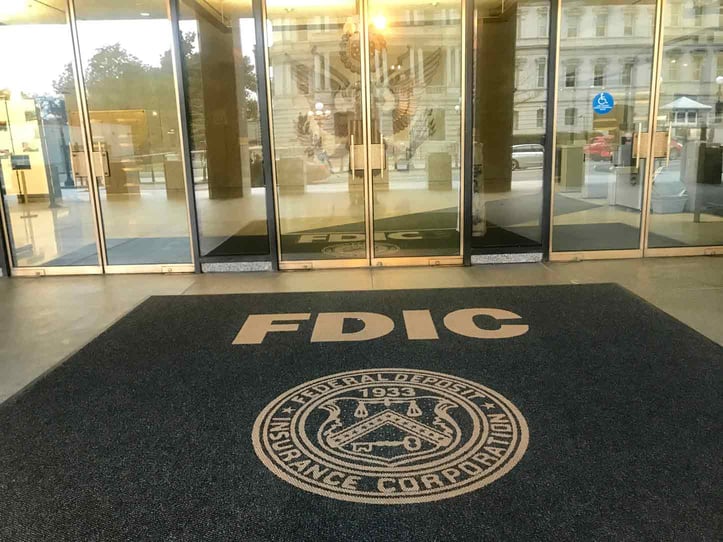
As the leader of the FDIC, Hill may seek to soften enforcement of regulations that apply to banks, according to a recent Bloomberg report.
After taking his position as Acting Chairman of the FDIC earlier this year, Hill issued a statement that outlined his areas of focus for the agency.
In the statement, Hill disclosed that he intended for the FDIC to “pursue adjustments to our capital and liquidity rules to appropriately balance driving economic growth with ensuring safety and soundness and resilience to shocks.”
Changes May Pave the Way for Economic Growth
Credit card issuers likely have an eye on the increase in revenue that may result from lower capital requirements. Issuers could use the extra capital at their disposal to enhance rewards programs to bring in new customers.
Consumers continue to place importance on rewards when it comes to credit card features. A recent report from the American Bankers Association reveals that 91% of consumers with cards that offer rewards value those rewards programs.
Issuers with more capital at their disposal may also offer cardholders higher credit limits on their cards. While greater limits can increase the risk in an issuer’s portfolio, they can also encourage cardholders to spend more, which can lead to more interchange and interest income for credit card companies.
More than 90% of people who own credit cards that offer rewards say they value their rewards programs.
Amanda Eversole is the President and CEO of the Financial Services Forum, an organization that focuses on economic policy and consists of the eight biggest, most diversified financial institutions whose headquarters are in the U.S.
Eversole said in the Reuters report that the largest banks in the U.S. are the strongest ones in the world.
“Modernizing capital rules will let them put that strength to work — fueling growth for consumers, small businesses, and the economy,” she added.
We will continue to track this story as it develops.
Editorial Note: Our site content is not provided or commissioned by any credit card issuer(s). Opinions expressed on CardRates.com are the author's alone, not those of any credit card issuer, and have not been reviewed, approved, or otherwise endorsed by credit card issuers. Every reasonable effort has been made to maintain accurate information; however, all credit card offer details, including information about rewards, signup bonuses, introductory offers, and other terms and conditions, is presented without warranty. Clicking on any offer on CardRates.com will direct you to the issuer's website, where you can review the current terms and conditions of the offer.
About the Author