
Writer: Chris Taylor


Editor: Lillian Guevara-Castro


Reviewer: Adam West

Our experts and industry insiders blog the latest news, studies and current events from inside the credit card industry. Our articles follow strict editorial guidelines.
For anyone who wanted proof that the Buy Now, Pay Later trend is real, look no further than Cyber Monday.
The popular online shopping day, coming on the heels of Black Friday, logged over $1 billion in BNPL transactions this year, a record (out of $14.25 billion total). The trend has obvious appeal for consumers looking for structured repayments over time with little or no interest.
Here’s where things get dicey: This pool of “alternative consumer lending” isn’t as strictly regulated or transparent compared with more traditional forms of lending. For example, most BNPL transactions weren’t even reported to credit bureaus (although that’s starting to change).
So if you’re trying to assemble comprehensive information on these borrowers — how much debt they’re taking on, whether they’re keeping up, and what that means for society as a whole — BNPL has made that harder to do.
For observers trying to fully understand what’s going on in the economy, that’s a problem. Especially when other key economic indicators, like federal reports on jobs and wages, have been temporarily shelved.
Think of it like navigating an airplane through dense fog when your dashboard controls are down. On what basis are you making your decisions? There’s no question that your risk has been elevated, if you’re not getting all the information you need, or if it’s only coming into focus too late and you’re already headed into the side of a mountain.
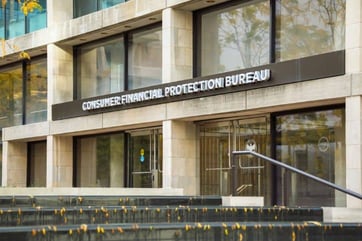
The agency keeping a close eye on such practices would historically be the Consumer Financial Protection Bureau. But under the current administration, with its distaste for regulation, the CFPB is a shadow of its former self.
As a result, some individual states are scrambling to step into that oversight role and get a handle on this burgeoning sector. Seven states — California, Colorado, Connecticut, Illinois, Minnesota, North Carolina, and Wisconsin — recently sent letters to six of the largest players in the BNPL arena.
At issue are concerns like whether these firms — Affirm, Klarna, PayPal, Afterpay, Sezzle, and Zip — are providing sufficient consumer protections (for example, regarding product returns or billing errors) for the borrowers using these services.
A previous Biden-era rule mandated that operators had to offer the same protections as any other lender, but that has since been scrapped.
Another concern cited in the letter, which certainly sounds ominous: That they “may not adequately assess borrowers’ capacity to repay their loans. The Federal Reserve recently found that the portion of BNPL borrowers falling behind has ‘increased sharply,’ to nearly one in four borrowers.”
Indeed, we do have some clues about whether these borrowers are in some financial distress. A recent LendingTree survey found that 25% of BNPL users have used it to cover groceries in the past year (up from 14% the previous year). Moreover, 41% have made a late payment on those loans (up from 34%).
These are worrisome indicators about consumer financial health. If people are turning to BNPL because they just don’t have the money, even for everyday expenses like groceries — or their other credit lines are maxed out, and they are pushing all obligations into the future because they have no choice — well, that bill comes due eventually.
Twenty-five percent of BNPL users have used it to pay for groceries in the past year, with 41% making at least one late payment on those loans. — LendingTree survey
In essence, by eschewing previous oversight, the administration has created issues where they didn’t exist before. That may have been done to ‘help’ the sector and free it from bureaucrats constantly looking over their shoulders. But as a result, the stability of the whole enterprise is called into question.
The reality, of course, is that BNPL isn’t going away. Consumers are obviously responding to it, and a growing number of companies are only too happy to provide that credit access.
Just look at this year’s holiday projections. Over the entire season, BNPL is expected to jump 11% year over year, amounting to $2 billion more in transactions compared with the same period in 2024.
If this is becoming a significant part of our financial system, and it is, then we all need more clarity on what’s developing. The smart path forward is to ensure that all lenders are operating on a level playing field — subject to the same consumer protections, disclosures, and reporting on this growing mountain of debt.
If not, it’s like a whole lot of planes flying around in a brewing storm, without enough visibility or air traffic controllers. Sooner or later, it’s a story that’s not going to end well.
Editorial Note: Our site content is not provided or commissioned by any credit card issuer(s). Opinions expressed on CardRates.com are the author's alone, not those of any credit card issuer, and have not been reviewed, approved, or otherwise endorsed by credit card issuers. Every reasonable effort has been made to maintain accurate information; however, all credit card offer details, including information about rewards, signup bonuses, introductory offers, and other terms and conditions, is presented without warranty. Clicking on any offer on CardRates.com will direct you to the issuer's website, where you can review the current terms and conditions of the offer.
About the Author