
Writer: Andrew Allen


Editor: Lillian Guevara-Castro


Reviewer: Adam West

Our experts and industry insiders blog the latest news, studies and current events from inside the credit card industry. Our articles follow strict editorial guidelines.
Key Takeaways
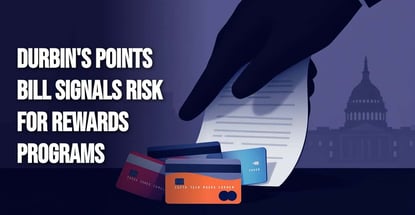
Sen. Dick Durbin (D-IL) has set his sights on overhauling certain aspects of airline loyalty programs. Fresh on the heels of the Credit Card Competition Act failing to move forward, Durbin is now turning his attention to protecting consumers from airlines that devalue the points they have earned before they have a chance to use them.
To accomplish his goal, Durbin recently announced he is once again pushing a bill — the Protect Your Points Act — that would bring more transparency to airline loyalty programs.
Some cardholders already have a tough time making the most of the credit card rewards they earn. But that task can grow even more difficult when the value of the points they earn on their cards changes from time to time without notice.
Durbin’s bill aims to address that problem. In addition to stipulating that airlines reveal the financial value of the points they offer, the bill would require them to provide real-time updates of the value of those rewards.
Sen. Dick Durbin believes airlines are doing a disservice to their customers when they adjust the terms and conditions of rewards programs without first communicating the changes.
The Protect Your Points Act also intends to bring more clarity to the reward redemption process. It would prohibit companies from voiding miles and points that customers have accrued and from charging customers for transferring points to others participating in the same rewards program.
Durbin initially introduced the bill about 18 months ago, but he may have been motivated to reintroduce it in 2026 in light of the current economic conditions.
“I understand the practicality of airline rewards programs — I’m a participant myself,” Durbin said via a press release when he initially proposed the bill. “But without adequate oversight, airlines are taking advantage of their customers by offering grandiose rewards, only to change the terms and conditions without consumers’ knowledge.”
Affordability stands to be a major issue in this year’s elections. And Republicans and Democrats are both trying to boost their credibility in regard to economic issues at this time, according to an American Banker report.
Durbin’s Bill Faces an Uncertain Future
Airlines can reap significant financial rewards from their loyalty programs. To protect profits, the industry may be gearing up to push back against any proposed legislation that threatens to change current rewards programs.
Parties that oppose the bill may be pleased to learn that Durbin plans to retire from the Senate in 2027. Further, the legislation he is backing to bring transparency to airline loyalty programs doesn’t have a co-sponsor, according to a Payments Dive report.
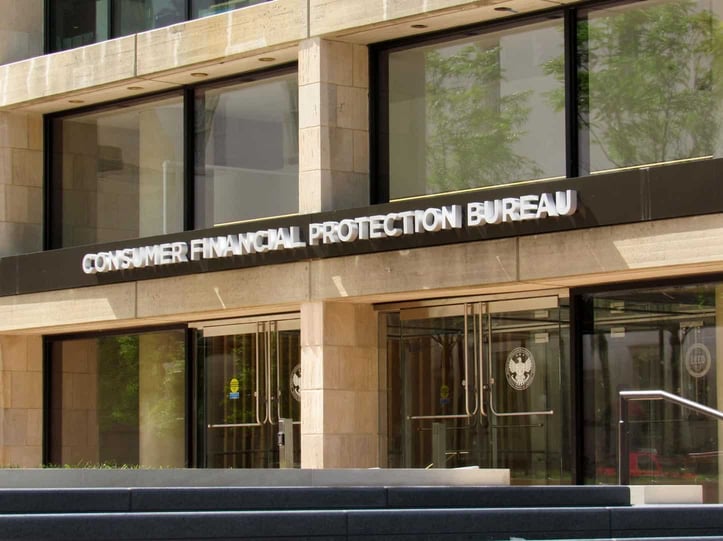
The Protect Your Points Act would give authority to agencies such as the Consumer Financial Protection Bureau and the Department of Transportation to make certain that airlines don’t offer consumers enticing rewards programs and then devalue the points or miles that come with those programs without notifying consumers.
The release covering the bill reveals that airlines have little oversight for the frequent flyer plans they manage, and many people have turned to the Better Business Bureau to complain about airlines that have denied or delayed the rewards they promised to customers.
The National Consumers League (NCL) applauded Durbin for reintroducing the Protect Your Points Act. The NCL is committed to promoting economic and social justice for consumers and people who hold jobs.
“Airlines have in many ways become banks that happen to fly planes on the side,” John Breyault, Vice President of Public Policy, Telecommunications, and Fraud at NCL, said in a post on the organization’s website.
“If the industry plans to continue with this model, consumers deserve protections around issues like point devaluations, at a minimum,” Breyault continued. “NCL is grateful to Senator Durbin for his leadership and bringing sunlight to this often-opaque industry.”
Durbin hasn’t seen the Credit Card Competition Act progress in the manner he likely hoped it would have by now.
But the Protect Your Points Act may have a better chance of gaining widespread acceptance as it targets bait-and-switch tactics and endorses transparency in airline loyalty programs. And more lawmakers may be inclined to support those causes in an environment where many people are experiencing financial struggles.
Editorial Note: Our site content is not provided or commissioned by any credit card issuer(s). Opinions expressed on CardRates.com are the author's alone, not those of any credit card issuer, and have not been reviewed, approved, or otherwise endorsed by credit card issuers. Every reasonable effort has been made to maintain accurate information; however, all credit card offer details, including information about rewards, signup bonuses, introductory offers, and other terms and conditions, is presented without warranty. Clicking on any offer on CardRates.com will direct you to the issuer's website, where you can review the current terms and conditions of the offer.
About the Author