
Writer: Andrew Allen


Editor: Adam West


Reviewer: Ashley Fricker

Our experts and industry insiders blog the latest news, studies and current events from inside the credit card industry. Our articles follow strict editorial guidelines.
Summer travel season is ramping up, and card issuers are rolling out fresh ways for consumers to earn more on their spend — from Chase’s new quarterly bonus categories to a premium Wyndham card.
Beginning July 1, people who own the Freedom or Freedom Flex cards can earn 5% cash back on electric vehicle charging and gas station purchases.
Cardholders can also earn 5X on public transit purchases, donations to United Way, and tickets to select amusement parks, concerts, sporting events, and zoos.
“When cardmembers earn 5% cash back on everyday purchases, like filling up the tank, hopping on the subway, or catching a live concert, it can feel really meaningful,” Wittney Rachlin, General Manager of Chase Freedom, said in a company post.
Cardholders can earn the 5% cash back rate on eligible purchases up to $1,500, but the deal won’t last forever. It expires on September 30, giving cardholders a full three months to enjoy the promotion.
Cardholders must activate the categories by Sept. 14 to take advantage, but why wait that long and miss out on cheaper gas?
Wyndham Rolls Out a Premium Travel Card
Long known as a budget-friendly chain, Wyndham Hotels & Resorts has rolled out its first-ever premium credit card. The Wyndham Rewards Earner Premier Card gives cardholders benefits such as 8X points on stays at Hotels by Wyndham and 4X points on eligible purchases for dining, grocery, and travel expenses.
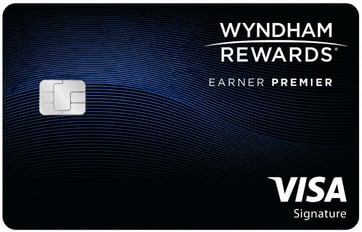
Cardholders can also earn bonus points when they meet certain spending thresholds and when they reach the anniversary of their card ownership. The product, which carries an annual fee of $395, also connects cardholders with other benefits including statement credits for meal delivery and streaming services.
In addition, Wyndham is refreshing its credit card suite, which it offers in partnership with Barclays. With the new premium product, the lineup now consists of four cards, including a consumer card that doesn’t come with an annual fee and a card built for entrepreneurs and owners of small businesses.
In a press release, Wyndham said the portfolio now offers new bonus categories and meaningful statement credits. Although the products can connect people with benefits on everyday purchases, they stand to appeal most to people who are loyal to Wyndham and its properties.
Lawyers Get a New Business Credit Card
Financial services platform Mercantile is collaborating with American Express and the American Bar Association to offer a new credit solution for lawyers. The ABA American Express Business Card, which Celtic Bank will issue, is designed to give solo lawyers and smaller law firms better financial support.
A press release on the card suggests solo practitioners and law firms on the smaller side are often in need of flexible financing so they can invest in growth and improve their management of cash flow.
Will Stredwick, SVP and GM of Global Network Services for North America at American Express, said in the release that the card will help legal professionals earn on their main business expenses, manage their cash flow, and access the American Express network’s benefits and protections.
With the solution, cardholders can earn up to 5X cash back on American Bar Association purchases of $2,000 or less per year and up to 2% cash back on spending for everyday business expenses.
Study Pushes Back on Rewards Critics
Credit card rewards have been under attack this year as merchant groups have complained that the cost of accepting credit cards, especially those that offer rewards, can be higher than they’d prefer.
Some people may think that only wealthy cardholders have access to card programs that offer them the opportunity to earn cash back or accrue points. But a new study from the Electronic Payments Coalition finds that the share of cards that offer rewards is almost equal across income levels.
In fact, the coalition found that, for low- to moderate-income (LMI) cardholders, more than two-thirds have a reward credit card. Also, credit card rewards, which can help shoppers offset the rising costs of goods, have a greater financial impact on LMI card users than those who have higher incomes, the group reported in its study.
The Electronic Payments Coalition’s study comes at a timely moment, reminding the industry and lawmakers that card rewards aren’t just for people who make a lot of money — they’re for everyone.
Income Shapes Why Americans Reach for Credit Cards
Though consumers who have lower incomes can benefit from card rewards programs, they have other reasons for using credit cards. A new report from Credit One Bank highlights that the motivations a cardholder has for using a credit card to make a purchase can vary according to their income level.
The bank issued a survey to consumers in the U.S. who own one or more credit cards for personal use. And 37% of respondents who earn $50,000 or less annually reported that the number one reason they turn to credit cards is to build their credit history or score.
People with salaries below $50,000 may include younger workers with ambitions to own a home one day. By using a credit card responsibly, these individuals can take steps toward having a better credit profile and, in turn, accessing lower rates on a mortgage or other type of loan.
Conversely, Credit One reported that 38% of those who make at least $150,000 each year use credit cards primarily to earn the rewards they offer. The report is a reminder that credit cards can be a powerful financial tool, and they provide diverse benefits that can help people across the income spectrum to manage their finances.
Editorial Note: Our site content is not provided or commissioned by any credit card issuer(s). Opinions expressed on CardRates.com are the author's alone, not those of any credit card issuer, and have not been reviewed, approved, or otherwise endorsed by credit card issuers. Every reasonable effort has been made to maintain accurate information; however, all credit card offer details, including information about rewards, signup bonuses, introductory offers, and other terms and conditions, is presented without warranty. Clicking on any offer on CardRates.com will direct you to the issuer's website, where you can review the current terms and conditions of the offer.
About the Author