
Writer: Andrew Allen


Editor: Lillian Guevara-Castro


Reviewer: Adam West

Our experts and industry insiders blog the latest news, studies and current events from inside the credit card industry. Our articles follow strict editorial guidelines.
Key Takeaways
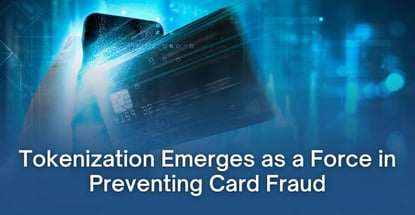
Businesses that invest in tokenization for their payment architecture could be best positioned to thrive in the next wave of digital commerce, according to a recent report.
Tokenization isn’t a new term in the payments arena, but experts say it’s becoming an increasingly valuable component in payment security. Merchants that want to safeguard transactions, protecting customer data and their own profits, must consider what they need to do to leverage the power of tokenization.
First, let’s take a look at what tokenization means in the context of payments security. And, no, it has nothing to do with screenwriters trying to piggyback on the wave of success of the popular screen adaptations of J.R.R. Tolkien’s “The Lord of the Rings” by updating their scripts to reflect the themes and settings of those films.
Instead, tokenization refers to a process that “turns your 16-digit card number into a different number stored on your device, so your actual card information is never shared when you tap your contactless card or your phone in store, or make payments in-app or online,” according to Mastercard.
A recent PYMNTS report indicates that the role of tokenization in payment security is growing in prominence as more stakeholders note how vital it is in enabling digital payments that are at once seamless and secure.
Tokenization can help ensure that card information doesn’t fall into the wrong hands.
Valeri Vanourek, Vice President of Digital Products at Discover, told PYMNTS that the benefits of tokenization lead to “frictionless and secure” transactions, which are exactly the type of transactions merchants seek.
“Embracing network tokens allows merchants to gain enhanced payment security, reduce their fraud, improve authorization rates … and build stronger relationships with their customers,” Vanourek said.
Safeguarding Payments Is Smart Business
Payments fraud can spring from various sources. Though an instance of fraud may not be due to something a merchant did, fraud can be more likely to occur when merchants miss taking a protective step to safeguard a transaction.
In an era where people can share information with audiences around the world as fast as they can type it, even a single payments fraud incident that occurs at a business can be enough to seriously damage its reputation.
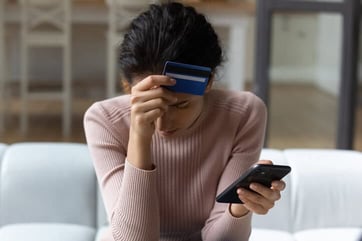
And customers who feel a merchant doesn’t take all the precautionary measures they can to prevent fraud may become wary of doing business with that merchant.
The good news for merchants is that they may be closer to employing tokenization in their payment-acceptance tactics than they realize.
“Many merchants are already integrated with a payment processor or gateway, and those providers typically support network tokenization,” Vanourek told PYMNTS. “These vendors should be PCI compliant and follow EMVCo token and data handling standards.”
Other industry participants have big plans for the role tokenization will play in payment security in the near future. By 2030, Mastercard plans to employ tokenization, as well as biometric authentication, to eliminate the need for cardholders to enter card numbers and passwords when making purchases online.
Businesses that use the latest measures in payment security shouldn’t assume their work is done when it comes to safeguarding sensitive data.
“Merchants should also ensure their systems can handle real-time token updates, as that’s critical for delivering a seamless payment experience,” Vanourek added.
Editorial Note: Our site content is not provided or commissioned by any credit card issuer(s). Opinions expressed on CardRates.com are the author's alone, not those of any credit card issuer, and have not been reviewed, approved, or otherwise endorsed by credit card issuers. Every reasonable effort has been made to maintain accurate information; however, all credit card offer details, including information about rewards, signup bonuses, introductory offers, and other terms and conditions, is presented without warranty. Clicking on any offer on CardRates.com will direct you to the issuer's website, where you can review the current terms and conditions of the offer.
About the Author