
Writer: Andrew Allen


Editor: Lillian Guevara-Castro


Reviewer: Adam West

Our experts and industry insiders blog the latest news, studies and current events from inside the credit card industry. Our articles follow strict editorial guidelines.
Key Takeaways
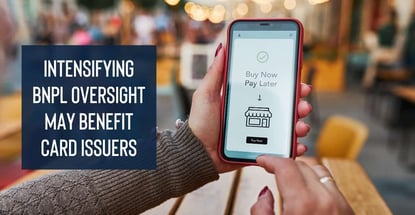
Attorneys general from across the U.S. are launching an inquiry into buy now, pay later programs to address concerns that the lawmakers have over how the companies operate in regard to protecting consumers.
Credit card issuers that have struggled to fend off BNPL companies may one day have the attorneys general to thank for slowing down the gains the alternative method of payment is making with consumers.
The attorneys general from seven states — California, Colorado, Connecticut, Illinois, Minnesota, North Carolina, and Wisconsin — each signed letters they sent to leading BNPL companies requesting information on their policies and procedures.
In particular, the politicians are asking the BNPL companies to provide descriptions of their loan products and pricing structures, information regarding the procedures the businesses follow to address disputes from consumers over billing and purchases, and overviews of how the companies’ customer service units interact with customers.
“We are concerned that BNPL companies might not be providing their customers with appropriate protections when they return their purchase, never receive what they ordered, or experience other billing errors,” the attorneys general wrote in the letters.
The lawmakers indicated in their communications to the BNPL businesses that they also have concerns regarding whether the measures the companies use to assess a consumer’s capacity to pay back their loans are adequate.
BNPL Use Expected to Soar
The attorneys general are targeting six leading BNPL companies with their inquiry, including Affirm, Afterpay, Klarna, PayPal, Sezzle, and Zip.
Buy now, pay later services have exploded in popularity recently, and experts predict that the alternative payment method will continue to grow throughout the back half of the 2020s and beyond.
New research estimates that the global BNPL market will grow from more than $28 billion in 2026 to approximately $83 billion by 2034. And much of BNPL’s growth may come at the expense of the credit card industry.
“Every purchase that gets financed through buy now, pay later is a purchase that could have been financed through a credit card or a checking account that they offer that now will not be,” Kevin King, Vice President of Credit Risk and Marketing Strategy at LexisNexis Risk Solutions, said in a recent CNBC report.
“So it reduces card transaction activity, utilization — those are major revenue drivers,” King added.
Consumers turned to buy now, pay later options to power more than $1 billion in online spend during Cyber Monday this year.
One need look no further than data from recent shopping activity to see the impact of BNPL on the payments ecosystem. A report from Adobe reveals that BNPL drove over $1 billion in online spend on Cyber Monday this year, which is 4.2% more than consumers spent with the payment tool on the same day in 2024.
Whether the inquiry from the attorneys general will lead to changes that slow down the progress of BNPL providers remains to be seen.
But if Klarna, PayPal, and their peers face new regulations and added compliance costs, it could provide the opening credit card issuers need to increase their share of the payments market.
Editorial Note: Our site content is not provided or commissioned by any credit card issuer(s). Opinions expressed on CardRates.com are the author's alone, not those of any credit card issuer, and have not been reviewed, approved, or otherwise endorsed by credit card issuers. Every reasonable effort has been made to maintain accurate information; however, all credit card offer details, including information about rewards, signup bonuses, introductory offers, and other terms and conditions, is presented without warranty. Clicking on any offer on CardRates.com will direct you to the issuer's website, where you can review the current terms and conditions of the offer.
About the Author