
Writer: Lucy Lazarony


Editor: Lillian Guevara-Castro


Reviewer: Adam West

Our experts and industry insiders blog the latest news, studies and current events from inside the credit card industry. Our articles follow strict editorial guidelines.
Key Takeaways
- Credit card spending slowed by 74% from January to February, according to the Federal Reserve.
- This significant drop in spending could lead card issuers to tighten credit limits or reduce rewards.
- About 68 million Americans, or almost 1 in 3 cardholders, are using 30% or more of their available credit.
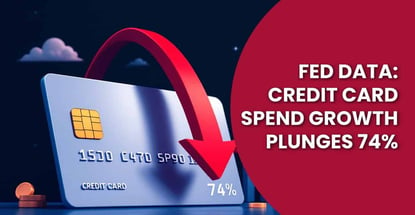
Federal Reserve data shows revolving credit, which is primarily credit cards, slowed to just 0.6% annual rate in February down from 2.3% in January. This 74% drop in month-over-month growth shows consumers are pulling back on using credit cards.
This drop in credit card spending is happening in spite of stable borrowing costs and no changes in interest rates. Consumers are being cautious with their credit card spending, and this could mean they have worries about the economy and are holding back on their discretionary spending.
Strategies for Credit Card Issuers
Should this significant drop in spending continue, it could lead credit card issuers to reduce rewards or tighten credit limits. Or on the flip side, card issuers could encourage spending by offering 0% annual percentage rates. A 0% rate on new purchases in particular may ease consumer worries and prompt spending.
Whatever strategy issuers choose, there is no denying that some consumers are feeling stressed when it comes to their credit card spending.
About 111 million people and more than 40% of U.S. adults cannot afford to pay off their credit card bills each month, according to a study by The Century Foundation and Protect Borrowers. These Americans carry more than $1 trillion in credit card debt from month to month.
Americans with Credit Card Debt
About 68 million Americans, almost 1 in 3 cardholders, are using 30% or more of their available credit. For card issuers, this may mean an opportunity to offer balance transfers to card customers with good credit who are carrying credit card debt.
With so much talk about affordability, a 0% rate balance transfer offer or a low-rate balance transfer offer may give consumers a break from interest charges as they work on paying down their account balances.
Aiming to Improve Credit and Finances
When it comes to managing their finances, Americans want to do better, according to a survey by FICO. Eighty-eight percent of Americans say they actively worked to improve their financial health in the past year, and 83% of Americans say they are prioritizing maintaining or enhancing their credit scores in 2026.
But some Americans have a long way to go when it comes to improving their credit and their finances. Twenty-four percent of Americans say they made less than their minimum payments or skipped a payment on a credit card or loan in the past 12 months due to inflation.
So despite the best intentions, some Americans are still struggling to stay afloat financially.
The Bottom Line
Credit card spending dropped by 74% from January to February as consumers pulled back on their discretionary spending. This occurred despite stable borrowing costs as consumers felt cautious and uncertain about the economy.
Strategies for credit card issuers include reducing credit card rewards and tightening credit limits. Offering borrowers with good credit scores a 0% interest rate is one way to encourage consumers to spend more on their credit cards.
Editorial Note: Our site content is not provided or commissioned by any credit card issuer(s). Opinions expressed on CardRates.com are the author's alone, not those of any credit card issuer, and have not been reviewed, approved, or otherwise endorsed by credit card issuers. Every reasonable effort has been made to maintain accurate information; however, all credit card offer details, including information about rewards, signup bonuses, introductory offers, and other terms and conditions, is presented without warranty. Clicking on any offer on CardRates.com will direct you to the issuer's website, where you can review the current terms and conditions of the offer.
About the Author



![How to Choose a Credit Card For Holiday Spending[updated_month_year before=" (" after=")"]](https://www.cardrates.com/images/uploads/2021/11/How-to-Choose-a-Credit-Card-For-Holiday-Spending.jpg?width=164&height=85 "How to Choose a Credit Card For Holiday Spending[updated_month_year before=\" (\" after=\")\"]")
![25 Fascinating Credit Card vs. Cash Spending Statistics[updated_month_year before=" (" after=")"]](https://www.cardrates.com/images/uploads/2023/12/Credit-Card-vs.-Cash-Spending-Statistics.jpg?width=164&height=85 "25 Fascinating Credit Card vs. Cash Spending Statistics[updated_month_year before=\" (\" after=\")\"]")
![3 Best Flexible Spending Credit Cards[updated_month_year before=" (" after=")"]](https://www.cardrates.com/images/uploads/2018/02/flexible.jpg?width=164&height=85 "3 Best Flexible Spending Credit Cards[updated_month_year before=\" (\" after=\")\"]")
![11 Best Credit Cards with No Spending Limit[updated_month_year before=" (" after=")"]](https://www.cardrates.com/images/uploads/2019/05/cover-1.jpg?width=164&height=85 "11 Best Credit Cards with No Spending Limit[updated_month_year before=\" (\" after=\")\"]")
![9 Best Credit Cards for Employee Spending Limits[updated_month_year before=" (" after=")"]](https://www.cardrates.com/images/uploads/2021/06/Best-Credit-Cards-With-Employee-Spending-Limits-2.jpg?width=164&height=85 "9 Best Credit Cards for Employee Spending Limits[updated_month_year before=\" (\" after=\")\"]")