
Writer: Andrew Allen


Editor: Lillian Guevara-Castro


Reviewer: Adam West

Our experts and industry insiders blog the latest news, studies and current events from inside the credit card industry. Our articles follow strict editorial guidelines.
Key Takeaways
A judge has dismissed a lawsuit alleging that Apple accepted money from Mastercard and Visa in return for not moving to establish a payment system of its own. The judge’s decision likely elicited sighs of relief from credit card issuers that feared an adverse ruling could ultimately take a bite out of their future revenues.
The ruling is the latest development in the ongoing battle merchants have waged against Visa and Mastercard, the largest card networks in the U.S. in terms of purchase volume and among the top networks in the world by the same criteria.
Merchants would have a tough time accepting card payments from their customers without Mastercard and Visa, but they can do without the fees the networks charge them for processing transactions.
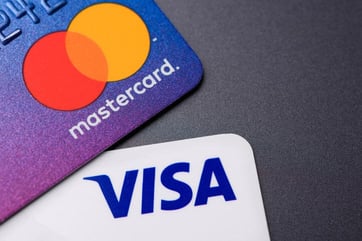
Interchange fees represent a percentage of a transaction’s total cost. But those relatively small fees can add up to one big headache for merchants who accept card payments regularly from their customers.
The lawsuit, brought by an Illinois wine company and four other merchants, alleged that Apple accepted “a very large and ongoing cash bribe” from Mastercard and Visa, according to a Payments Dive report.
In return for the alleged payment, Apple supposedly agreed to not build a payment system that would compete with the networks that Mastercard and Visa operate.
In general, merchants are in favor of introducing competition for Mastercard and Visa if it leads to lower interchange fees. But interchange is a critical form of revenue for card issuers. And any changes to the existing network model could disrupt an important revenue stream for issuers.
The Complaint May Not End Here
U.S. District Judge David Dugan dismissed the case because attorneys for the merchant group failed to back up their claims with evidence that Apple had been considering building a network that could challenge Mastercard and Visa systems.
Dugan said the plaintiffs presented “a slew of circumstantial allegations,” but overlooked an important factor. The judge said in his ruling that the allegations of the merchant group “completely ignore the difficulties, costs and time, risks, and potential for failure associated with such an endeavor.”
And that’s something that credit card issuers have working in their favor. Namely, building a card network that could compete with the efficient payment infrastructure that Mastercard and Visa have built would be a tall task, even for a tech industry giant like Apple.
Merchants may decide to amend their complaint and refile it to secure the verdict they desire.
A win is a win. But credit card issuers who fear the ramifications of disruption to the established card network model may not be completely out of the woods yet. Dugan said the merchants can make amendments to their complaint and refile it.
Should the case have gone the other way, it could have opened the floodgates for other competitors to enter the market and compete against Mastercard and Visa. For issuers that are pleased with their current interchange income, that scenario is one they’d like to avoid.
The more competitors that enter the space, the more likely it is that increased competition will lead to lower interchange costs for merchants and less interchange revenue for card issuers.
Editorial Note: Our site content is not provided or commissioned by any credit card issuer(s). Opinions expressed on CardRates.com are the author's alone, not those of any credit card issuer, and have not been reviewed, approved, or otherwise endorsed by credit card issuers. Every reasonable effort has been made to maintain accurate information; however, all credit card offer details, including information about rewards, signup bonuses, introductory offers, and other terms and conditions, is presented without warranty. Clicking on any offer on CardRates.com will direct you to the issuer's website, where you can review the current terms and conditions of the offer.
About the Author