

Writer: Andrew Allen


Editor: Lillian Guevara-Castro


Reviewer: Adam West

Our experts and industry insiders blog the latest news, studies and current events from inside the credit card industry. Our articles follow strict editorial guidelines.
Key Takeaways
Financial services company Synchrony and global eCommerce giant Amazon are expanding their partnership via a buy now, pay later (BNPL) program that will provide qualified shoppers with offers for installment loans.
The move highlights how traditional credit card providers can leverage innovation in emerging payment types to attract new customers who may not be ready to apply for a credit card.
Synchrony is the biggest issuer of private-label credit cards in the U.S. But its partnership with Amazon may turn some heads in the credit card space because it signifies how important it can be for issuers to embrace BNPL in the current payment environment.
A recent report projects that the global BNPL market, valued at more than $492 billion in 2024, will grow to more than $911 billion by the end of 2030.
With BNPL projected to see explosive growth, it’s no surprise Synchrony wants a bigger piece of the market — and teaming up with Amazon is a strategic move to capture the attention of BNPL users.
Forecasts predict that the BNPL market will grow to more than $911 billion by the close of 2030.
Under the new program, Synchrony will offer installment loans to eligible Amazon customers who have more than $50 worth of items in their online carts.
Brian Wenzel, Synchrony’s Chief Financial Officer, told American Banker that the addition of installment lending at the point of sale is part of the company’s “multi-product strategy.”
“One of the things that we have been on a journey on, as we engage with that consumer, is giving them as many financing alternatives as we can,” Wenzel added. “It’s about finding the right product and going to the channel [where] the consumer wants to shop.”
Adapt or Risk Falling Behind
From Kodak to Blockbuster, the business world is full of examples of companies that lost prominence when they didn’t adapt to market conditions and failed to innovate.
Financial institutions that don’t pay attention to payment trends may suffer the same fate if they don’t offer a product mix that suits a variety of customers.
But issuers that follow Synchrony’s blueprint of not shying away from offering new financial products can remain competitive amid rapidly changing market conditions.
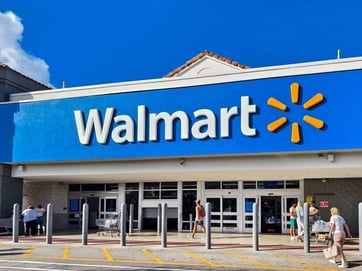
Partnering with household names can further help a financial institution stay relevant in consumers’ minds. Along those lines, Synchrony is also engaging with Walmart to issue a co-branded and private-label credit card for the retailer later in 2025.
Issuers that want to diversify their product suite and attract new customers can emulate Synchrony’s recent moves. The company’s expansion in the BNPL space positions it to grow with evolving payment preferences and compete against other financial institutions that provide consumers with innovative payment products.
Editorial Note: Our site content is not provided or commissioned by any credit card issuer(s). Opinions expressed on CardRates.com are the author's alone, not those of any credit card issuer, and have not been reviewed, approved, or otherwise endorsed by credit card issuers. Every reasonable effort has been made to maintain accurate information; however, all credit card offer details, including information about rewards, signup bonuses, introductory offers, and other terms and conditions, is presented without warranty. Clicking on any offer on CardRates.com will direct you to the issuer's website, where you can review the current terms and conditions of the offer.
About the Author