
Writer: Lucy Lazarony


Editor: Lillian Guevara-Castro


Reviewer: Adam West

Our experts and industry insiders blog the latest news, studies and current events from inside the credit card industry. Our articles follow strict editorial guidelines.
Key Takeaways
- About 61.3 million Americans had fraudulent charges on their credit card or debit card accounts in the past year.
- Thieves use data breaches, skimming, and stolen sensitive login details such as usernames and passwords to gain access to consumer credit card accounts.
- Fifty-one percent of cardholders experienced suspicious transactions in their credit card accounts two or more times in 2026.
When it comes to credit card fraud, the numbers are startling. Sixty-one percent of U.S. credit cardholders have been victims of credit card fraud. And 51% of cardholders have experienced credit card fraud multiple times.
How many Americans are affected by credit card fraud? Security.org estimates that about 61.3 million Americans had fraudulent charges on their credit cards or debit card accounts in the past year totaling about $6.1 billion in charges.
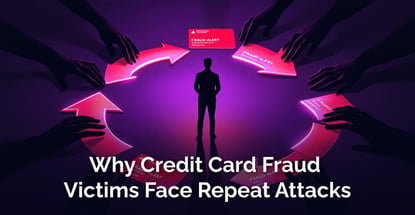
Many Fraud Victims Face Repeat Attacks
Source: Security.org, 2025-26
Who are these victims of credit card fraud? Adults who are older than 45 are more likely to be victims. Seventy percent of adults who were 45 to 59 years old and 69% of adults who were 60 and older were victims of credit card fraud. In contrast, only 47% of adults aged 18 to 29 had experienced credit card fraud.
How Credit Card Fraud Happens
Thieves aren’t grabbing cardholders' physical cards. Only 5% of fraud takes place this way. Instead fraudsters access customer card information through data breaches, skimming, and by stealing sensitive login details such as usernames and passwords.
Fortunately for consumers, 96% of fraud victims recover their money and have the fraudulent charges reversed from their cards. But only 8% of victims report the theft to law enforcement.
Many cardholders use what Security.org describes as “risky digital habits” such as using the same credit card for auto payments as they use for day-to-day spending, reusing passwords, and storing credit card information in their web browsers.
More Than One Suspicious Transaction
The number of cardholders who experienced suspicious transactions two or more times reached 51% in 2025 and 2026. Cardholders who say they have experienced fraud only once dropped to 10% from 23% in 2021.
One reason repeat fraud can occur, Security.org notes, is that compromised card data may circulate online for months or years. Once a credit cardholder’s data is compromised in a data breach, the information circulates around the dark web for months or even years. This leads to repeated misuse of the credit card information.
Compromised card data may circulate on the dark web for months or years, leading to repeat attacks from fraudsters.
How much are thieves charging on stolen credit card accounts? The median fraudulent charge is $100, and it’s been that way for 2025 and 2026. It is small enough that many consumers may not notice it amid their legitimate transactions.
Twenty-two percent of fraud victims had recurring fraudulent charges from the same merchant. In these instances, fraudsters set up smaller, recurring charges on stolen credit card accounts. These charges are often disguised as subscriptions or services, according to Security.org.
Building Safe Credit Card Habits
Protect your account by using these safe credit card habits. Review all credit card statements. Use multifactor authentication for card accounts. Keep track of credit card transactions by subscribing to email or text alerts.
Make use of an online password manager. Sign up for a credit monitoring service. Use separate cards for day-to-day spending and recurring payments.
Using Your Credit Report To Protect Your Credit
One way to safeguard your credit is to place a fraud alert on your credit report. Once you do, creditors will have to take extra steps to verify your identity before extending credit.
A credit freeze restricts access to your credit report for new-credit decisions, making it harder for a fraudster to open new accounts in your name. This is a good strategy if your identity and credit information has been compromised in a data breach.
Editorial Note: Our site content is not provided or commissioned by any credit card issuer(s). Opinions expressed on CardRates.com are the author's alone, not those of any credit card issuer, and have not been reviewed, approved, or otherwise endorsed by credit card issuers. Every reasonable effort has been made to maintain accurate information; however, all credit card offer details, including information about rewards, signup bonuses, introductory offers, and other terms and conditions, is presented without warranty. Clicking on any offer on CardRates.com will direct you to the issuer's website, where you can review the current terms and conditions of the offer.
About the Author